The best gin tasting set for most people in 2026 is a miniature flight of three to four 50 ml bottles from one distillery or a mixed set of styles, paired with a wide-bowled copa or balloon glass so the botanicals can open up. Gin tasting sets come in three practical forms: miniature flights, botanical aroma kits and glassware sets. The best choice depends on whether you want to compare brands, learn to identify juniper and citrus, or serve a proper gin and tonic.
Availability of spirits miniatures varies by country and state, and you must be of legal drinking age to buy or taste. Drink responsibly.
Our top picks



As an Amazon Associate we earn from qualifying purchases at no extra cost to you.
Quick Comparison of Gin Tasting Set Types
| Set type | Best for | Typical contents | Price tier |
|---|---|---|---|
| Single-distillery miniature flight | Learning one producer’s range | 3 to 4 bottles of 50 ml (5 cl), such as New James Gin’s three-bottle set or Tayport Distillery’s Scottish set | Mid-range |
| Mixed-brand miniature flight | Comparing styles side by side | 4 to 6 minis from different brands, for example a Whitley Neill taster pack or the Fever-Tree gin collection | Mid-range |
| Premium multi-bottle flight | Gifting and serious tasting | Six 5 cl bottles, as in Monkey 47 style miniature collections | Upper-mid |
| Copa de Balon glassware set | Serving gin and tonics | Balloon glasses, 14 to 25 oz, such as Viski angled-stem glasses or Spiegelau gin and tonic glasses (21 oz, set of four) | Mid-range |
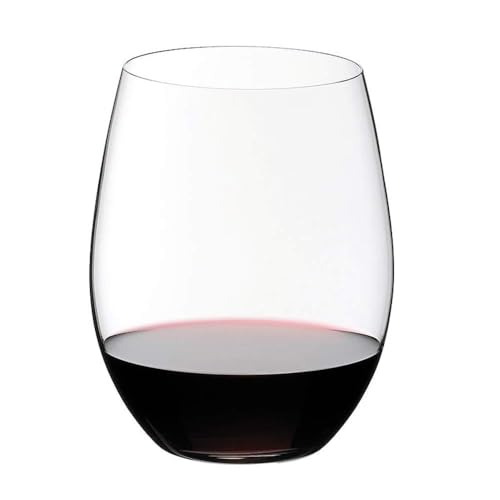
| Nosing glass set | Neat tasting | Stemmed glasses with a wide open bowl, for example Riedel Vinum or Glencairn style | Mid-range to upper-mid |
| Botanical aroma kit | Learning juniper, coriander, citrus and spice | Dried botanicals in small jars with a smelling guide | Budget to mid-range |
Product names above are examples from published guides and maker pages; contents and availability change by market, so check the current listing.
Best for Learning One Producer: Single-Distillery Flights
A flight from one distillery shows how the same base spirit changes with botanicals or finishing. Sets such as the New James Gin miniatures (three 50 ml bottles in different flavor profiles) and the Tayport Distillery Scottish miniature set let you compare styles from a single producer. Because the base spirit is consistent, differences are easy to notice.
Trade-off: you only taste one house style, so it will not show the full range of gin.
Best for Comparing Styles: Mixed-Brand Flights
A multi-brand set puts London dry, contemporary and fruity gins next to each other. Fever-Tree style collections combine four 5 cl bottles such as Beefeater, Tanqueray, Sipsmith Sloe and Martin Miller’s, and Whitley Neill sells a four-by-5 cl taster pack. These sets show how juniper-forward and citrus-forward gins differ.
Trade-off: sets rotate and some contain flavored gins or liqueurs rather than classic dry gin.
Best for Gifting: Premium Miniature Collections
A premium collection such as a six-bottle 5 cl set from a high-botanical brand like Monkey 47 gives a gift-ready presentation and a long tasting. Premium sets are a good way to try an expensive gin before committing to a full bottle.
Trade-off: miniatures cost more per millilitre than full bottles.
Best for Serving: Copa de Balon Glassware
A balloon-shaped copa traps aromas and holds plenty of ice, which keeps a gin and tonic cold and fizzy. Spiegelau’s set of four 21 oz gin and tonic glasses and Viski’s 14 oz angled-stem balloons are cited in 2026 glass guides. Luigi Bormioli highballs are a value option.
Trade-off: large bowls take up shelf space and can hold more tonic than you intend.
Best for Neat Tasting: Nosing Glasses
For neat tasting, a smaller stemmed glass with a wide bowl concentrates aroma. A Riedel Vinum Chardonnay glass has a wide open bowl and thin crystal, and some Scottish gin sets include Glencairn glasses. Use these when you want to nose each gin before diluting.
Trade-off: a specialty glass is only valuable if you taste neat; for gin and tonics, a copa is better.
Best for Learning: Botanical Aroma Kits
Aroma kits include dried botanicals such as juniper, coriander seed, angelica root, citrus peel and cardamom. Smelling them before tasting trains your nose to find these notes in the gin. They are a low-cost companion to a miniature flight.
Trade-off: quality varies, and fresh botanicals smell different from dried ones.
Worked Example: How Much Alcohol Is in a Flight?
A 50 ml miniature of 40 percent ABV gin contains about 20 ml of pure alcohol, which is roughly 16 grams. A US standard drink contains about 14 grams, so each miniature is a little over one standard drink. A flight of four minis is therefore about four and a half standard drinks if you finish every bottle. Taste in small sips of 10 to 15 ml, add a few drops of water, and share the flight with others. This keeps the tasting fun and safe.
| Flight size | Total volume | Approx standard drinks (40% ABV) | Suggested use |
|---|---|---|---|
| 3 x 50 ml | 150 ml | About 3.4 | Share between 2 to 3 people |
| 4 x 50 ml | 200 ml | About 4.5 | Share between 3 to 4 people |
| 6 x 50 ml | 300 ml | About 6.8 | Spread across several sessions |
How to Run a Gin Tasting
- Start with the lightest gin. Move from delicate, citrus styles to juniper-heavy London dry and then to flavored gins.
- Pour 10 to 15 ml per glass. This is enough to nose and sip without fatigue.
- Nose first. Hold the glass below your nose and breathe gently to pick out juniper, citrus peel, spice and floral notes.
- Sip neat, then add a drop of water. Water releases aromas that alcohol hides.
- Finish with a gin and tonic. Use a 1 to 2 or 1 to 3 gin-to-tonic ratio and a large amount of ice. Garnish to match the botanicals, such as grapefruit for citrus-forward gins.
- Cleanse your palate with water and plain crackers.
How to Choose a Gin Tasting Set
Tasting goal
If you want to compare brands, buy a mixed set. If you want to understand one house style, buy a single-distillery set.
Bottle size
Five centilitres (50 ml) is the standard miniature size, while 3 cl samples are common in advent calendars.
Glassware
Choose a copa for gin and tonics and a nosing glass for neat tasting. One good glass set is enough.
Regional availability
Many miniature sets are sold in the UK and Europe. Check shipping and local rules before ordering.
Ownership Realities
Miniatures keep well unopened, but once opened they should be finished within a few weeks because aromas fade. Wash glasses without scented detergents, since residue interferes with nosing. Store bottles upright, out of sunlight. Dried botanical kits lose aroma over months, so keep jars sealed.
Frequently Asked Questions
What is in a gin tasting set?
Most sets contain three to six small bottles of gin, usually 5 cl each, with tasting notes. Some include glassware or dried botanicals.
How do you taste gin properly?
Nose the gin first, sip a small amount neat, add a few drops of water, then taste again. Finish with a gin and tonic to see how it behaves with a mixer.
What glass is best for gin?
A copa de balon or large balloon glass suits gin and tonics, while a stemmed glass with a wide bowl suits neat nosing.
How much gin is in a miniature bottle?
Standard miniatures contain 5 cl (50 ml), which is a little over one US standard drink at 40 percent ABV.
Are gin tasting sets a good gift?
Yes, for adults who enjoy cocktails. Choose a set that matches their taste, such as citrus-forward or classic dry, and consider adding a glass.