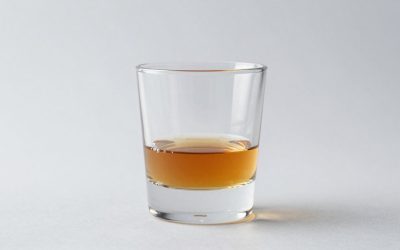
The best whiskey stones for most drinkers in 2026 are stainless steel sets such as Balls of Steel or Kollea cubes, because steel holds more cold per piece than soapstone or granite and chills a pour faster. If you prefer a traditional look and gentler contact with glass, Teroforma soapstone is the classic choice, and Outset Chillware is a well-regarded granite option. No stone chills like real ice, but all of them cool a pour without diluting it.
Our top picks


As an Amazon Associate we earn from qualifying purchases at no extra cost to you.
Quick Comparison of Whiskey Stones
| Pick | Best for | Material and key specs | Price tier |
|---|---|---|---|
| Balls of Steel | Best overall chilling | Stainless steel spheres; fast, strong cooling; no dilution | Mid-range |
| Kollea stainless steel cubes | Best value steel set | Stainless steel cubes, freezer storage, often supplied with tongs and pouch | Budget to mid-range |
| Teroforma Whiskey Rocks | Best traditional soapstone | Soapstone cubes, gentle on glass, moderate cooling | Budget to mid-range |
| Outset Chillware granite stones | Best granite | Granite, moderate cooling, holds cold longer than soapstone | Mid-range |
| Generic gel-core steel cubes | Best for cold-with-no-flavor | Steel shell with sealed liquid core; check seal quality | Budget |
Material details follow maker descriptions and independent roundups; sets differ in stone count and size.
Best Overall Chilling: Balls of Steel
Stainless steel spheres are dense and store a lot of cold per piece, so they cool a pour faster and more strongly than stone. The round shape rolls in a glass and is easy to wash. Because steel is neutral, it does not add flavor.
Trade-off: steel can clink against glass and may scratch thin crystal, so use a sturdy tumbler.
Best Value Steel Set: Kollea Stainless Steel Cubes
Kollea sells sets of stainless steel cubes that usually come with tongs and a storage pouch. They are an affordable way to get the performance of steel without a premium price.
Trade-off: check what the set contains before you buy, as the number of pieces varies, and rinse before first use.
Best Traditional Soapstone: Teroforma Whiskey Rocks
Teroforma is widely credited as the first company to sell whiskey stones commercially, in 2007. The soapstone cubes are smooth and soft, so they are gentle on glassware. They suit a slow sipper who wants a slightly cooler dram rather than a cold one.
Trade-off: soapstone cools moderately and loses its chill quickly, so it works best for one drink.
Best Granite: Outset Chillware
Granite stones cool faster than soapstone and hold their temperature somewhat longer. Outset is the brand most often cited among granite options. Granite looks natural and is easy to clean.
Trade-off: still not as strong as steel, and granite can be heavier in the glass.
Best for Cold With No Flavor: Gel-Core Steel Cubes
Some cubes pair a steel shell with a sealed liquid core that freezes. They offer long cold retention for the size. Choose well-reviewed brands with sealed welds.
Trade-off: if the seal fails, the core can leak, so inspect for damage.
Why Material Matters: A Worked Calculation
How much a stone can chill depends on how much heat a piece can absorb, which is its volume times density times specific heat. Using standard physical values, a one-inch cube stores roughly as follows when it goes from freezer temperature to the temperature of the drink.
| Material | Density (g/cm3) | Specific heat (J/g per degree C) | Heat capacity per 1 in cube (approx J per degree C) |
|---|---|---|---|
| Stainless steel | About 8.0 | About 0.50 | About 65 |
| Soapstone | About 2.9 | About 0.98 | About 47 |
| Granite | About 2.7 | About 0.79 | About 35 |
| Ice (for reference, plus melting heat) | About 0.92 | 2.1 plus 334 per g melted | Far higher once it melts |
These are estimates from physical constants, not measurements of any specific product. A 2 oz (about 60 ml) pour of whiskey has a heat capacity of roughly 190 to 200 J per degree (about 3.4 J per gram per degree for 40 percent alcohol, times about 55 g). Six steel cubes together hold about 390 J per degree, roughly double the whiskey, while six granite cubes hold about 210 J per degree, about the same as the whiskey. That is why one or two stones feel underwhelming, and why steel outperforms granite at the same size.
How to Choose Whiskey Stones
Chilling power
Steel is strongest, soapstone is moderate and granite sits in between. If you want a cold drink, pick steel. If you want a lightly cooled drink, stone is enough.
Glassware protection
Soapstone is soft and quiet. Steel and granite can chip thin glass if dropped in, so lower them gently.
Number of pieces
Sets of six to nine are standard. Count the pieces per drink: you will want at least four for a 2 oz pour.
Cleaning and storage
Choose stones with a storage pouch or freezer-safe tray. Dishwasher-safe steel is the easiest to maintain.
Stones, Ice or a Large Cube?
Stones do not dilute, which preserves the flavor of a cask-strength whiskey. A large ice cube dilutes slowly, and some people enjoy the opening-up of aroma that a little water provides. For a neat pour you want cooler but intact, use stones. For an on-the-rocks drink, a large clear cube is better. A few drops of water, whichever you choose, is a classic way to release aromas.
Decision Matrix by Drinker
| You are… | Choose | Reason |
|---|---|---|
| A neat sipper who wants it properly cold | Stainless steel spheres or cubes | Highest heat capacity per piece |
| Prefers a gentle chill and quiet handling | Soapstone | Soft stone, mild cooling |
| Wants a natural look and mid-level cooling | Granite | Better than soapstone, lighter than steel in effect |
| Buying a gift | Set with tongs and a pouch | Presentable and complete |
| Drinks cask-strength pours | Steel plus a drop of water | No dilution from stones, control from water |
Steps to Get the Best Chill
- Freeze the stones in a sealed container for at least four hours. Open freezers hold odors that stones can pick up.
- Use a pre-chilled glass if you can. A warm glass steals cold from the stones.
- Pour first, then add the stones. Lowering them gently protects the glass and avoids splashes.
- Wait two to three minutes. Stones need time to transfer cold to the liquid.
- Replace the stones into the freezer after washing. Dry them first so they do not freeze together.
Ownership Realities
Soapstone can chip or stain if stored with other items, and it should be dried before freezing. Steel is nearly indestructible but can dull a glass over time. Granite can crack if thrown in a drawer. Wash with warm water and mild soap, avoid harsh detergents, and store the stones in the freezer in a covered container so they do not pick up freezer odors. Allow stones to chill for at least four hours before use. If you notice a flavor from the stones, wash them again, as residue is more likely than the stone itself.
Frequently Asked Questions
Do whiskey stones really work?
They do cool a drink, but less than ice. The effect depends on material and number of stones. Steel gives the strongest chilling, while soapstone and granite offer milder cooling.
How many whiskey stones should I use per drink?
Use three to six for a standard 2 oz pour, depending on material and size. Steel needs fewer than soapstone.
How long do whiskey stones need to freeze?
Plan for at least four hours, and ideally overnight, so the stones reach freezer temperature all the way through.
Are soapstone whiskey stones safe?
Soapstone is a natural stone widely used in kitchenware. Buy from reputable brands, rinse before use and avoid chipped pieces.
Can I use whiskey stones for other drinks?
Yes. They work for cocktails served neat, wine and spirits, and they suit drinks you do not want diluted. Be aware that stones do not stir or aerate the drink.