Key takeaways
- Pro: The price-per-ounce is the best in this lineup, making it the obvious default for families that cook in volume.
- Pro: Bertolli designed this blend specifically around a high smoke point, so it behaves predictably under real stove conditions rather than just on paper.
- Con: The large jug has no pour spout that controls flow well, and many owners report needing to decant it into a smaller bottle.
What's inside
Every cook who reaches for olive oil in a hot pan has felt the moment of doubt: the oil shimmers, then suddenly turns acrid and grey. That failure comes down to a single spec — the olive oil smoke point. Push an oil past its thermal ceiling and you get bitter flavor, a kitchen full of smoke, and a dish that cannot be salvaged. The good news is that manufacturers have finally started designing cooking oils around this number rather than expecting home cooks to guess which bottle survives high heat.
What separates a dependable bottle from a disappointing one comes down to three things. First, the oil must actually be formulated or refined to handle a real working temperature without breaking down. Second, the packaging and price per ounce should make it something you will actually reach for on a Tuesday night rather than hoard for special occasions. Third, owner feedback consistently tells you whether the oil delivers on its promised stability over weeks of use, not just in a single demo bottle. The products below were compared on published specifications, current retail pricing, and long-term owner reports — no lab bench work, no marketing spin.
As an Amazon Associate we earn from qualifying purchases at no extra cost to you. Product prices and availability are accurate as of the date shown and are subject to change.



Quick Picks
| Product | Best for | Price |
|---|---|---|
| Bertolli High Smoke Point (101.4 fl oz) | Home cooks who fry or roast in bulk | $35.54 |
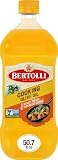
| Bertolli High Smoke Point (50.7 fl oz) | Everyday high-heat cooking on a moderate budget | $16.97 |
| Graza Frizzle High Heat | Chef-driven kitchens that want personality in the bottle | $10.97 |
| Atlas Organic EVOO (Moroccan) | Finishing and gentle sautéing with polyphenol benefits | $27.94 |
| Graza Sizzle EVOO (750ml) | Medium-heat cooking in a fun squeeze format | $13.49 |
| Algae Cooking Club (16 fl oz) | Anyone seeking a neutral, seed-oil-free high-heat oil | $18.99 |
| Graza Sizzle EVOO (1L) | Dedicated olive-oil cooks who prefer volume over novelty | $18.99 |
| Algae Cooking Club 2-pack | Households that go through cooking oil fast | $34.40 |
How We Picked
For this roundup we focused on four criteria. Thermal reliability tops the list: does the product explicitly address a high smoke point, or is it a finishing oil pretending otherwise? Value per serving matters because a bottle you are afraid to use is functionally useless. Packaging usability — squeeze bottles versus glass jugs — determines whether an oil becomes your default or stays decorative. Finally, we weighed owner-reported consistency over time, because a smoke point that degrades after a month on a warm shelf is a smoke point that lies on the label.
The 8 Best Olive Oil Smoke Point in 2026
Bertolli High Smoke Point — 101.4 fl oz
This is the workhorse jug for cooks who fry, roast, and pan-sear multiple nights a week without wanting to think about whether their oil can take the heat. The generous volume means you will not ration it, which is the only way any cooking oil earns its keep in a home kitchen.
- Pro: The price-per-ounce is the best in this lineup, making it the obvious default for families that cook in volume.
- Pro: Bertolli designed this blend specifically around a high smoke point, so it behaves predictably under real stove conditions rather than just on paper.
- Con: The large jug has no pour spout that controls flow well, and many owners report needing to decant it into a smaller bottle.
Skip this if you rarely cook with heat above medium or prefer single-origin flavor profiles; its purpose is reliable performance, not complexity.
Bertolli High Smoke Point — 50.7 fl oz
The same formula in a more manageable size for two-person households or cooks who rotate through oils seasonally. You get the engineered thermal stability without committing to nearly a gallon of product that might sit in a cabinet and oxidize before you finish it.
- Pro: Handles high-heat tasks without the overwhelming quantity of the large jug.
- Pro: Price sits comfortably in the everyday-buying zone, so it feels like a pantry staple rather than a splurge.
- Con: Still lacks a precision pour mechanism, and the flavor is neutral to the point of being forgettable.
If you want personality in your cooking oil or need a squeeze bottle for quick drizzling, look elsewhere.
Graza Frizzle High Heat
Graza has built its reputation on making cooking oil feel intentional rather than anonymous, and Frizzle carries that design-forward energy into the high-heat category. The squeeze bottle means less mess, and the brand’s cult following among restaurant cooks translates into real-world confidence that this oil performs under pressure.
- Pro: The squeeze bottle format is genuinely faster for pan-searing than pouring from a wide-mouth container.
- Pro: Owners repeatedly mention it holds steady at temperatures where other finishing-grade oils would already be smoking.
- Con: At 25.3 fl oz the price-per-serving runs higher than the Bertolli jugs, making it a harder sell for daily frying.
Pass on this if your primary need is volume or lowest-cost-per-use; it rewards cooks who value workflow and design.
Atlas Organic Extra Virgin Olive Oil — Moroccan, 1L
This bottle is not built for deep frying or screaming-hot pans. It is a high-polyphenol extra virgin oil from Morocco that earns its place in this roundup because understanding olive oil smoke point means knowing which oils are better reserved for gentler tasks. Atlas delivers robust, peppery flavor that rewards low-and-slow cooking or finishing.
- Pro: The polyphenol content is meaningfully higher than commodity extra virgin oils, which matters for both flavor and stability at moderate heat.
- Pro: Single-origin Moroccan sourcing gives it a distinct fruity-peppery profile that elevates simple dishes.
- Con: Do not push this past a moderate sauté; it will smoke and lose its character quickly.
Choose this when flavor is your goal and heat is secondary.
Graza Sizzle EVOO — 750ml Squeeze Bottle
Sizzle is Graza’s medium-heat extra virgin olive oil, pitched as the “do almost everything” option. The squeeze bottle from peak-harvest Spanish single-origin olives means you get genuine flavor without the pour-and-wipe dance. It will handle a hot pan better than most EVOOs but will not match a dedicated high-heat blend.
- Pro: The squeeze format makes it the most likely olive oil in this list to actually get used every day rather than sitting unopened.
- Pro: Owners describe the flavor as grassy and fresh, a real step up from bland supermarket EVOOs.
- Con: At 750ml for $13.49 the per-ounce cost is steep for a bottle you might go through in a week of heavy cooking.
Skip if you need a true high-heat workhorse at volume; this rewards medium-heat cooking and finishing drizzles.
Algae Cooking Club Chef-Grade — 16 fl oz
Technically not an olive oil, but this product directly addresses the olive oil smoke point problem by offering an alternative that reaches 535°F while staying seed-oil-free. The neutral, buttery flavor means it does not compete with what you are cooking, and the omega-9 profile mirrors olive oil’s health positioning without the thermal compromise.
- Pro: The published 535°F smoke point is explicit and verifiable, removing all guesswork from high-heat applications.
- Pro: Owners with olive oil sensitivities or strict seed-oil-free diets report it as a genuine drop-in replacement.
- Con: At 16 fl oz for $18.99 it is the priciest bottle-per-use option in the entire group.
Not for you if you want olive-oil flavor or are cooking for multiple households that burn through oil quickly.
Graza Sizzle EVOO — 1L
The same Sizzle formula in a full liter removes the “is this bottle going to last?” anxiety that the 750ml format introduces. For cooks who commit to olive oil as their primary cooking fat and are willing to keep heat at medium, this is the most practical way to buy into the Graza ecosystem without the squeeze-bottle surcharge per serving.
- Pro: Better price-per-ounce than the 750ml version, making it realistic for weekly use rather than occasional.
- Pro: Single-farm Spanish sourcing gives it a traceable, consistent flavor that does not shift between bottles.
- Con: The liter bottle has no squeeze mechanism, so the workflow advantage that made Graza special in smaller formats disappears here.
If you still want the squeeze format but at volume, buy two 750ml bottles instead and accept the price premium.
Algae Cooking Club Chef-Grade — 2-Pack
For households where the 535°F smoke point and neutral flavor have become non-negotiable, the two-pack drops the per-bottle cost while eliminating the mid-cooking panic of an empty can. It is the bulk-buy solution for a product that is otherwise hard to justify at single-bottle pricing.
- Pro: Per-bottle cost falls noticeably versus the single 16 fl oz option, closing the value gap with olive oil blends.
- Pro: Having a backup bottle means you never revert to a lower-smoke-point oil out of convenience, which is the real failure mode for premium products.
- Con: You are committing to two bottles of a niche product; if the flavor or texture does not suit your household, that is wasted money.
Only buy this if the single bottle has already earned a permanent spot in your pantry.
Buying Guide
Understanding Olive Oil Smoke Point vs. Refinement
Smoke point is not a single fixed number; it shifts with refinement, free fatty acid content, and storage history. A refined or blended olive oil will always outperform a cold-pressed extra virgin at high heat because the refining process strips impurities that burn first. If your cooking regularly crosses medium-high, buy an oil explicitly marketed for that purpose rather than assuming any bottle labeled “olive oil” will behave the same way.
Versus Alternatives: Is Olive Oil the Right High-Heat Choice?
No cooking fat handles every task. Avocado oil and algae-based oils like the products listed here reach higher thermal ceilings than even the most robust olive oil blends. The practical question is not “which oil smokes last” but “which flavor and price point match my cooking style.” If you want a fruity finish, olive oil blends the flavor. If you want invisibility under searing heat, a neutral alternative wins decisively.
Packaging and Real-World Use
The best olive oil smoke point spec on a label is worthless if the bottle frustrates you at 6 PM when dinner needs to hit the pan. Wide-mouth jugs pour unevenly and splash. Squeeze bottles offer control but often clog or crack at the nozzle over time. Consider whether the format matches your cooking tempo before prioritizing specs alone.
Our Verdict
The best overall pick for most home cooks seeking a reliable olive oil smoke point is the Bertolli High Smoke Point 101.4 fl oz jug. It delivers engineered thermal performance at the lowest cost per serving, and the volume means you will actually use it freely rather than ration it. The budget pick is the Bertolli 50.7 fl oz — same formula, half the commitment, ideal for smaller households or anyone wanting to trial the blend before buying the gallon. The wild card: if your kitchen runs genuinely hot and you value a neutral palate, the Algae Cooking Club single bottle wins on pure thermal headroom at 535°F, even though it is not technically an olive oil.
FAQ
Does extra virgin olive oil always have a low smoke point?
Not always, but commonly. Extra virgin oils retain polyphenols and plant compounds that burn at lower temperatures than the fat itself, so even a high-polyphenol EVOO like Atlas Moroccan will smoke before a refined or blended cooking oil. The smoke point rises as impurities are removed, which is why dedicated high-heat olive oils outperform premium finishing oils under a hot pan.
How do I know the smoke point of my olive oil at home?
Without a thermometer, watch the surface of the oil in your pan. A thin, even shimmer that stays transparent means you are below the smoke point. Once the oil begins to produce visible wisps or a grey-blue haze, you have crossed it and the fat is breaking down. Published labels give the number, but a bottle’s real-world ceiling drops slightly with age and heat exposure over time.
Is a higher smoke point always better for health?
No. A higher smoke point means the oil stays stable longer under heat, which prevents the formation of acrolein and other breakdown compounds. However, a refined oil can achieve a high smoke point by stripping beneficial polyphenols and antioxidants. The ideal choice balances thermal stability with the nutritional and flavor qualities you actually want from the oil.
Can I mix a high-smoke-point olive oil with extra virgin for flavor?
Yes, and many professional cooks do exactly this. A splash of fragrant EVOO added to a pan of high-smoke-point oil lets you enjoy the aroma and taste of olive oil without risking thermal breakdown. The blended approach gives you the thermal ceiling of the refined base with the flavor layer of the extra virgin on top.