Key takeaways
- Pros: Handles pressurized bottles safely; adjustable collar fits multiple cork diameters
- Cons: Highest price in this roundup by a wide margin
What's inside
A crumbling cork on a 1990s Bordeaux is not a problem your corkscrew can solve. Pulling a helix through aged, brittle cork guarantees fragmentation—wood splinters fall into the wine, and the bottle stays sealed. This is exactly the scenario a two-prong Ah So device or the original Durand wine opener was engineered to address: remove the cork whole, without piercing it.
What separates a worthwhile vintage-bottle opener from a frustrating one comes down to prong flexibility, grip depth, and whether the design actually accommodates the full range of Bordeaux, Burgundy, and Champagne profiles. Owner feedback on budget models consistently flags prongs that bend out of alignment after a few uses, while premium versions hold tolerances across hundreds of extractions. Below we compare the eight most relevant options in this category for 2026, using published specifications, construction details, and aggregated buyer sentiment.
As an Amazon Associate we earn from qualifying purchases at no extra cost to you. Product prices and availability are accurate as of the date shown and are subject to change.


Quick Picks
| Product | Best for | Price |
|---|---|---|
| Durand® Two Part | Champagne and ultra-aged bottles | $145 |
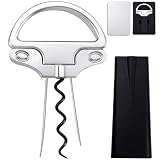
| VinoLab Ah So | Sommeliers wanting a gift-ready kit | $64.99 |
| 3 in 1 Bronze | Dual use with beer bottles | $44.99 |
| Classic with Leather Case | Collectors who travel with bottles | $54.99 |
| 3 in 1 Copper | Matching a copper kitchen aesthetic | $44.99 |
| Professional Two-Prong | Restaurant and service use | $49.99 |
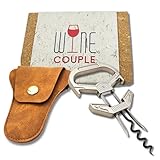
| WINE COUPLE Ah So | Sommelier-recognized reliability | $54.99 |
| Ferrochef Two Part | Entry-level vintage extraction | $33.99 |
How We Picked
We narrowed candidates by four criteria: prong gauge and flexibility relative to cork diameter, whether the device handles both still and sparkling profiles, build quality feedback across long-term owner reports, and price-to-durability ratio. The Durand system earns its place as the benchmark for pressurized bottles, while Ah So variants dominate the still-wine niche. A model that fails on any single criterion—especially prong alignment over repeated use—was excluded.
The 8 Best Durand Wine Opener in 2026
Durand® Two Part Wine Cork Removal Device
The original reference in pressurized cork extraction, the Durand is purpose-built for Champagne and old sparkling wines where internal pressure makes a standard Ah So unsafe. Its two-part lever system cradles the cork from above while prongs slide beneath, distributing force evenly without any risk of the cork ejecting at speed. Owners of pre-2000 vintages consistently report it as the only tool they trust for bottles over $100.
- Pros: Handles pressurized bottles safely; adjustable collar fits multiple cork diameters
- Cons: Highest price in this roundup by a wide margin
Skip it if your collection is exclusively still wine—the cost is hard to justify when an Ah So variant under $55 solves the same problem.
VinoLab Ah So Wine Opener
VinoLab positions this as a professional-grade Ah So wrapped in a presentation-ready package. The protective cover and gift box signal that the brand expects it to move between home cellars and service tables. Sommelier communities rate it as one of the more consistently machined budget options, with prong tips that align well out of the box. The two-prong design suits Bordeaux and Burgundy profiles where cork integrity is compromised but pressure is absent.
- Pros: Protective cover prevents prong damage in storage; gift-box packaging suits gifting occasions
- Cons: Heavier than simpler bare-metal designs, which some users find awkward during extraction
Skip it if you want the absolute lowest entry cost in the category.
Ah So Wine Opener 3 in 1 (Bronze)
This bronze-finished unit bundles a two-prong cork puller with a built-in beer bottle opener, targeting home bars where the wine collection and the fridge coexist. The bronze coating resists fingerprint smudges better than polished steel, though long-term exposure to acidic liquids near the kitchen sink will eventually dull the finish. For vintage extraction alone, the prong geometry mirrors more expensive competitors without the premium price tag.
- Pros: Integrated beer opener adds utility without clutter; warm finish complements modern bar styling
- Cons: Dual-purpose design means the handle shape is a compromise between two functions
Skip it if you serve wine in professional settings where a dedicated tool looks more appropriate.
Ah So Wine Opener with Portable Leather Case
The leather case is the selling point here, and it serves a real purpose: prong tips on Ah So openers bend easily when loose in a drawer or wine-bag pocket. This model ships with a snug sleeve that keeps the prongs aligned during transport. For collectors who carry bottles to tastings, restaurant cellar visits, or auctions, the case eliminates the most common failure mode reported on budget units. Finish is classic—matte steel, no decorative coating.
- Pros: Leather case genuinely extends usable life; simple design with few failure points
- Cons: Case adds bulk that makes it impractical for pocket or apron carry
Skip it if the tool lives permanently in a wine drawer and never leaves.
Ah So Wine Opener 3 in 1 (Copper)
Functionally identical to the bronze variant above, this copper edition offers the same 3-in-1 layout with a warmer, more reddish tone. Copper finishes on kitchen and bar tools have gained traction among collectors who match hardware across their setup. Performance on vintage corks is indistinguishable from the bronze sibling. The only meaningful decision is aesthetic—choose based on whether your bar or cellar already leans toward copper accents.
- Pros: Distinctive copper tone for themed bar or cellar setups; same dual-function utility
- Cons: Copper patinas faster than bronze under moisture exposure
Skip it if you want a tool that looks identical in five years without polishing.
Ah So Wine Opener for Vintage Bottles – Professional
Marketed explicitly at restaurant and sommelier service, this model prioritizes speed of use over portability features. The handle geometry is designed for a single-hand grip during tableside extraction, which matters when a guest is watching. No case, no gift box, no beer-opener attachment—just a focused two-prong tool at a mid-range price. Owner feedback notes reliable prong retention after dozens of sessions on delicate pre-2000 Burgundy corks.
- Pros: Ergonomic single-hand grip suited to tableside service; clean industrial finish
- Cons: Bare construction means prongs need manual alignment check before each shift
Skip it if you prefer a bundled kit with storage protection included.
WINE COUPLE Ah So Wine Opener
WINE COUPLE markets this unit on its sommelier recognition, and the build bears that out with a slightly longer prong length than the average budget Ah So, giving better engagement on deeply seated corks. The “easy” framing in the product name reflects a genuinely forgiving insertion angle—less critical positioning is required before the prongs seat evenly. For beginners tackling their first fragile cork, that margin reduces the anxiety of a failed extraction.
- Pros: Longer prongs grip deeply seated corks; forgiving insertion angle helps new users
- Cons: Bulkier head makes it harder to reach bottles stored tight against others
Skip it if your rack is densely packed and you need a slim-profile tool.
Ferrochef Ah So Wine Opener Two Part
At $33.99, Ferrochef undercuts every other option in this roundup while maintaining the basic two-prong architecture that defines the category. It is the right choice for someone who wants to test whether an Ah So opener solves their specific collection problem before committing to a premium unit. Owner reports note acceptable performance on corks in fair condition, with some complaints about prong spread after heavy use on severely degraded corks.
- Pros: Lowest price in the group with functional extraction on mildly aged corks; compact form
- Cons: Prongs may splay with repeated use on very brittle or deeply embedded corks
Skip it if your bottles are genuinely rare or valuable—this is a tool for everyday vintage practice, not for a first-growth Bordeaux.
Buying Guide
Prong Length and Gauge
Prong length determines whether the tool reaches past a deeply seated cork into the wine below. Anything under the Bordeaux standard neck depth will fail on bottles stored upright for years. Gauge—prong thickness—controls flexibility: too stiff and the prongs splay instead of sliding down; too thin and they bend on insertion. Look for models whose owner reviews specifically mention successful use on 20-plus-year corks.
Still vs. Sparkling Compatibility
No Ah So opener should be used on a pressurized bottle. The internal CO2 force can eject the cork unpredictably during insertion, and prongs cannot counteract that pressure. If your collection includes Champagne or traditional-method sparkling wine, the Durand system is the only safe choice among these eight because its lever mechanism contains the cork from above throughout extraction.
Storage and Alignment Protection
The single most common failure mode reported on budget Ah So openers is prong misalignment from being stored loose. A bent prong will not seat evenly, and uneven seating causes the cork to fragment regardless of tool quality. If you do not have a dedicated drawer or case, buy a model that ships with protective packaging from the start rather than improvising storage later.
Our Verdict
For the widest range of vintage bottles including sparkling, the Durand® Two Part Wine Cork Removal Device is the top pick—its pressure containment is unmatched in this group. The budget pick is the Ferrochef at $33.99, which handles moderately aged corks well enough for casual collectors. If your priority is tableside presentation in a restaurant, the Professional Two-Prong wins on grip ergonomics and clean service aesthetics.
FAQ
Can I use an Ah So opener on Champagne?
No. Internal CO2 pressure makes prong-based extraction dangerous because the cork can eject unexpectedly. Use a Durand system designed specifically for pressurized bottles instead.
How do I know if my cork is too old for a corkscrew?
If the bottle is more than roughly 20 years old and has been stored at consistent temperature, the cork is likely too brittle for a helix to penetrate cleanly. Signs include visible crumble at the foil edge or a cork that feels soft when pressed through the glass.
Do prong tips wear out over time?
The tips themselves rarely wear, but the prongs can splay outward if stored under pressure or bent against other objects. A misaligned pair will not grip evenly, which is why protective cases and storage orientation matter more than the metal grade.
Is the price difference between these models justified?
Partially. The Durand earns its premium through pressure safety. Among Ah So variants, the $15 spread from budget to mid-range mostly buys storage protection and finish durability rather than extraction performance on standard bottles.