Our Top Picks
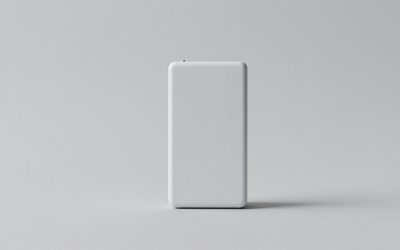
 Bonvoisin Salt Water Pool Chlorinator System Salt Chlorine25,000 Gallons MAX5 x 10 x 12 inchesCheck on Amazon
 Hayward Aquarite Salt Chlorine Generator for Swimming Pools40,000 Gallons18.3 x 14.1 x 8.4 inches24.3 PoundsCheck on Amazon


For inground pools up to 40,000 gallons, the Hayward Aquarite Salt Chlorine Generator is the best overall pick in 2026: it has the longest production history in the category, the widest replacement-cell availability, and a 40,000-gallon rating that lets most owners run the pump fewer hours per day. It suits owners of gunite, vinyl-liner, and fiberglass inground pools who care more about being able to buy a replacement cell in five years than about app dashboards. If your pool is above ground and under 15,000 gallons, the WESTAHO Salt Chlorine Generator is the budget answer, and if you want app-based monitoring on a large pool, the Troxlly TP30 is the premium pick. Hot tub and swim spa owners should skip the pool-sized units entirely and look at the spa-rated and drop-in systems below, which run at lower salt levels and far lower chlorine output. Everything that follows compares the same six variables: chlorine output, maximum pool size, salt requirement, cell lifespan, installation, and what a replacement cell costs you per season.
Top 3 Picks
Best overall: Hayward Aquarite Salt Chlorine Generator
Rated for pools up to 40,000 gallons and built on the most widely serviced salt cell platform in North America. It wins on the boring things that matter: you can find a replacement cell almost anywhere, the manual is thorough, and the sizing math is well documented. Best for established inground pools where downtime is the real cost.
Best budget: WESTAHO Salt Chlorine Generator
A USA titanium cell rated for above-ground pools up to 15,000 gallons, at a price tier that makes the switch from hand-dosing tablets genuinely cheap. It suits round and oval above-ground pools, and it is the right starting point if you want to learn how a salt system behaves before spending premium money on one.
Best premium: Troxlly TP30 Salt Chlorine Generator
Also rated to 40,000 gallons, but with app monitoring and ETL listing as the differentiators. It suits owners who want to see salt level, output percentage, and production status from a phone instead of walking out to a control box in the rain, and who are willing to pay premium pricing for that convenience.
Quick Comparison
Every product below is compared on the same six variables. Price tiers are general market bands only, because listing prices move constantly and a “budget” unit on sale can undercut a “mid-range” one on any given day.
| Product | Best for | Key specs | Price tier |
|---|---|---|---|
| Hayward Aquarite Salt Chlorine Generator | Inground pools up to 40,000 gal; longest parts track record | 40,000 gal rating; ~1.4 lb/day chlorine class; salt 2,700-3,400 ppm; T-CELL-15 class replacement; 3-5 season typical cell life | Premium |
| Troxlly TP30 Salt Chlorine Generator | Large pools where app monitoring matters | 40,000 gal rating; app monitoring; ETL listed; titanium cell; salt 2,700-3,400 ppm class | Premium |
| Bonvoisin Salt Water Pool Chlorinator System | Inground pools; buyers who want a full system kit in one box | Inground-rated inline cell and power supply; gallon rating not stated in the listing name (verify before buying); titanium cell class | Premium |
| briidea WiFi Salt Chlorine Generator | Mid-size pools with phone-based monitoring | USA titanium salt cell; WiFi app monitoring; real-time readouts; pool-rated | Mid-range |
| WESTAHO Salt Chlorine Generator | Above-ground pools up to 15,000 gal | 15,000 gal rating; USA titanium cell; above-ground plumbing; salt 2,700-3,400 ppm class | Budget |
| briidea Hot Tub and Swim Spa Chlorine Generator | Hot tubs and swim spas | USA titanium salt cell; spa-rated output; lower salt range than pool units | Mid-range |
| Zelinhol Salt Chlorine Generator | Hot tubs and swim spas up to ~2,000 gal | Titanium salt cell; spa and swim spa rated; compact inline design | Mid-range |
| XtremepowerUS Saltwater Chlorine Generation System | Spas and hot tubs up to 3,000 gal on a tight budget | 3,000 gal rating; spa and hot tub use; chemical-free dosing approach | Budget |
| ZJTBLL Drop-in Salt System Kit | Swim spas and hot tubs up to 2,000 gal with no plumbing work | 2,000 gal rating; drop-in kit; no inline plumbing required | Budget |
How We Chose
This list was built from manufacturer specification sheets, published owner manuals, and the sizing and chemistry norms that apply across the whole category, not from hands-on trials. The first filter was category fit: a pool-rated 40,000-gallon cell and a spa-rated drop-in unit are not competitors, so they are grouped and judged separately. Within each group, the dominant criterion is chlorine output relative to rated pool volume, because that ratio determines how many hours a day you have to run the pump.
The second filter is ownership cost over the life of the unit. Cells are consumables, not permanent parts, so a cheap system with an expensive or hard-to-find replacement cell is not actually cheap. We weighted replacement-cell availability and price band heavily. Third is installation reality: line voltage, plumbing cut-in, flow switch orientation, and whether the unit needs a timer. Fourth is upgrade path, meaning whether the control box you buy today can accept a larger cell later. Systems that scored well on all four made the list; app features and cosmetics were tiebreakers only.
1. Bonvoisin Salt Water Pool Chlorinator System – Best for Inground Pools as a Complete Kit
As an Amazon Associate we earn from qualifying purchases at no extra cost to you.

The Bonvoisin system is aimed at inground pool owners who want the whole package in one purchase: an inline electrolytic cell, a power supply and control box, and the fittings to cut it into an existing return line. The listing name positions it squarely for inground pools, which tells you the cell is built for continuous, higher-volume production rather than the short duty cycles a spa unit sees.
One thing worth flagging up front: the listing name does not state a rated gallonage. That is not a red flag, but it does mean you have to verify the cell’s rated pool volume and plate count before you buy, either from the product page detail or by asking the seller directly. Buying an unrated cell for a 30,000-gallon pool is the single most common way people end up disappointed with a salt system, because an undersized cell runs at 100% output continuously, scales faster, and dies early.
Key specs
- Application: inground pools, inline plumbing
- Rated volume: not stated in the listing name; verify against your pool volume before purchase
- Cell type: titanium electrode cell class
- Salt range: typical pool-system band, generally 2,700-3,400 ppm (confirm the manual figure)
- Included: cell, power supply, control interface, and plumbing fittings
- Replacement cell: available as a separate part; price depends on cell size
Where this unit earns its premium tier is completeness. Buying a cell and a power supply separately is a common beginner mistake, and it usually ends with mismatched voltage or a control box that cannot drive the cell you chose. Bonvoisin sidesteps that. The control box also gives you a variable output percentage, which matters more than most buyers realize: setting output to 60% instead of 100% roughly extends cell life, because a salt cell’s lifespan is measured in production hours, not calendar years.
Installation follows the standard pattern for any inline pool chlorinator. You plumb the cell into the return line after the pump, filter, and heater, and before any return valves, so chlorinated water never backflows into the heater. The flow switch must be oriented in the direction of water travel, and the power supply needs a GFCI-protected outlet. If your pump runs on a timer, the cell should be on the same timer or on its own flow-switch interlock, so it never energizes with no water moving.
Chemically, this is a conventional salt system: it converts dissolved sodium chloride into chlorine through electrolysis, and the process tends to nudge pH upward over time. That is a category behavior, not a Bonvoisin flaw, but it means you will be adding muriatic acid more often than you added chlorine tablets.
Pros
- Complete kit: cell, controller, and fittings arrive together, so there is no compatibility guessing
- Inground-rated construction suits continuous daily runtime
- Adjustable output percentage lets you run the cell below maximum, which stretches cell life
- Titanium cell class is the standard for durability in saltwater service
- Replacement cells are sold separately, so the unit is serviceable rather than disposable
Cons
- No rated gallonage in the listing name, so you must confirm sizing yourself
- Premium price tier without the brand recognition that makes resale or service easy
- No app monitoring or remote readouts; you check the control box in person
- Inground-only design means it is the wrong shape of product for an above-ground pool or a spa
Compared with the nearest alternative in this list, the Hayward Aquarite, the Bonvoisin trades brand history and parts ubiquity for a lower premium-tier price and a more bundled package. If you want the cell you can buy at any pool store in ten years, Hayward wins. If you want everything in one box and are willing to verify the gallon rating yourself, Bonvoisin is the better value.
2. WESTAHO Salt Chlorine Generator – Best for Above-Ground Pools Up to 15,000 Gallons

The WESTAHO unit is the entry point into saltwater pools, and it is rated for above-ground pools up to 15,000 gallons with a USA-made titanium cell. That combination, a domestic cell and a 15,000-gallon ceiling, is what makes it the budget pick rather than a compromised one: above-ground pools are usually smaller, shallower, and easier to plumb, and a 15,000-gallon cell class produces roughly 0.5 to 0.8 pounds of chlorine per day, which is right for that water volume.
It suits the owner of a 12-foot to 24-foot round or oval above-ground pool who is tired of hauling chlorine jugs and wants a system that pays for itself in convenience within a season or two. It also suits a first-time saltwater buyer, because above-ground installation is far more forgiving than cutting into hard-plumbed inground returns.
Key specs
- Application: above-ground pools
- Rated volume: up to 15,000 gallons
- Cell type: USA titanium salt cell
- Chlorine output: roughly 0.5-0.8 lb/day at full output in this cell class
- Salt range: standard pool band, typically 2,700-3,400 ppm (confirm in manual)
- Installation: inline cut into the return line with flexible or rigid above-ground plumbing
The strengths here are straightforward. Above-ground pools typically use flexible hose and clamped fittings, so installation is an afternoon rather than a weekend. Because the pool volume is smaller, you reach a working salt level with far less salt: a 10,000-gallon pool needs roughly 250 pounds of pool-grade salt to hit 3,000 ppm, which is about six 40-pound bags. Compare that to a 30,000-gallon inground pool at roughly 750 pounds, and you can see why above-ground owners get into saltwater cheaply.
Output sizing is where budget systems get misused. A 15,000-gallon-rated cell on a 15,000-gallon pool has zero headroom. In peak summer, when a pool can lose 2 ppm of free chlorine per day to sun and bather load, that cell may need to run at or near 100% output for most of the pump cycle. Running a cell at 100% continuously is the fastest way to consume its production hours. The practical fix is to size down your expectation: buy this for a pool at or below about 12,000 gallons if you want the cell to run comfortably at 70-80% output and last longer.
Maintenance is minimal but not zero. Inspect the cell every two to three months for white calcium scale, and clean it with a diluted muriatic acid solution or a commercial cell cleaner only when scale is visible, because over-cleaning strips the rare-earth coating on the plates and shortens life. Keep stabilizer (cyanuric acid) in the 30-50 ppm range so the chlorine your cell makes is not destroyed by sunlight before it does any work.
Pros
- Budget price tier with a USA titanium cell, which is the right material for the application
- 15,000-gallon rating covers the vast majority of above-ground pools
- Simple installation suited to flexible above-ground plumbing
- Low salt requirement because the pools it serves are small
- Low barrier to entry for a first saltwater conversion
Cons
- No headroom at the top of its rating; a 15,000-gallon pool will push it hard in midsummer
- Above-ground focus means the fittings are not intended for hard-plumbed inground lines
- No app monitoring or remote diagnostics
- Budget-tier control boxes generally offer fewer output increments than premium units
Against the Bonvoisin unit, the comparison is really about scale, not quality. Bonvoisin targets inground pools and a complete kit; WESTAHO targets a small above-ground pool and a low entry price. If your pool is above ground and under 12,000 gallons, WESTAHO is the sensible buy. If you have an inground pool, or you plan to move to one, the briidea WiFi pool unit or the Bonvoisin is the better long-term purchase.
3. Hayward Aquarite Salt Chlorine Generator – Best for 40,000-Gallon Inground Pools

The Aquarite is the reference product in this category, rated for swimming pools up to 40,000 gallons. It is the system other salt chlorinators get compared to, and the reason is not marketing: the cell platform has been in continuous production long enough that replacement cells, manuals, and troubleshooting knowledge are everywhere. For a 40,000-gallon inground pool, that matters more than any feature on a spec sheet.
It suits owners of larger inground pools, gunite or liner, who plan to stay in the house or keep the pool for a decade. It also suits anyone who has inherited a salt system and needs parts that actually exist.
Key specs
- Application: inground swimming pools
- Rated volume: up to 40,000 gallons
- Chlorine output: roughly 1.2-1.5 lb/day at full output in the 40,000-gallon cell class
- Salt range: typically 2,700-3,400 ppm
- Cell life: commonly three to five seasons, depending on runtime and water chemistry
- Replacement cell: widely stocked; the 40,000-gallon class cell is the most expensive single consumable in the system
- Control: output percentage dial plus indicator diagnostics; no app
The headline strength is that the math works. A 20,000-gallon pool needs roughly 0.33 pounds of chlorine per day to replace a 2 ppm daily loss. A cell in the 1.4 lb/day class can deliver that in about 5.7 hours at 100% output, or about 8 hours at 70%. That headroom is the whole point of buying a 40,000-gallon-rated system for a smaller pool: you run it at partial output, which is gentler on the cell and gives you a reserve for heat waves, pool parties, and the week your stabilizer drifts low.
Installation is a standard inline job. The cell goes in the return line after the filter and heater, the flow switch sits in a straight run with the arrow matching water direction, and the controller needs a GFCI outlet. Because the controller typically has no internal timer on the base configuration, most owners run it off the same timer as the pump. If your pump runs 24/7, the flow switch handles shutdown, but a timer is still better because it saves cell hours.
What wears first is the cell, always. The controller is a power supply and a timer; the cell is an electrochemical part with a finite production life, and its plates slowly lose coating as it works. Scale accelerates that. The single highest-value maintenance habit is keeping pH and alkalinity in range, because scale forms fastest when pH climbs, and pH climbs naturally in salt pools. Clean the cell only when you can see scale, and never use a wire brush on the plates.
Pros
- 40,000-gallon rating gives real headroom for pools in the 15,000-30,000-gallon range
- Replacement cells are widely available, which protects the whole investment
- Long production history means abundant documentation and troubleshooting help
- Predictable chlorine output makes runtime math reliable
- Simple, serviceable design with no dependence on a phone app
Cons
- Premium price tier, and the replacement cell is the most costly consumable in the category
- No app monitoring, WiFi, or remote salt-level readout
- Overkill, and a waste of money, for above-ground pools under 15,000 gallons
- Requires consistent pH management; neglect shortens cell life quickly
Its nearest competitor in this list is the Troxlly TP30, which matches the 40,000-gallon rating and adds app monitoring and ETL listing. The trade is familiarity for features: Aquarite wins on parts availability and service knowledge, Troxlly wins on visibility into what the system is doing. If you like to check things from your phone, read the Troxlly section next. If you want the system your pool tech already knows, stay here.
4. Troxlly TP30 Salt Chlorine Generator – Best for Large Pools With App Monitoring

The TP30 is rated for pools up to 40,000 gallons and pairs that capacity with app monitoring and ETL listing. ETL listing is worth understanding: it means an independent testing laboratory has evaluated the product against a recognized safety standard, which is not something every imported salt chlorinator can claim. For a device that mixes water, salt, and line voltage, that certification is a genuine differentiator, not a sticker.
It suits owners of large inground pools who want to see salt level, output percentage, and production status without walking to the equipment pad, and who value the safety certification for insurance or inspection purposes.
Key specs
- Application: inground swimming pools
- Rated volume: up to 40,000 gallons
- Certification: ETL listed
- Monitoring: app-based, with remote status and control
- Cell type: titanium electrolytic cell, 40,000-gallon class
- Salt range: standard pool band, generally 2,700-3,400 ppm (confirm in manual)
- Chlorine output: roughly 1.2-1.5 lb/day class at full output
The practical benefit of app monitoring is diagnostic speed. Most salt system complaints sound identical: “the pool is green and the cell looks fine.” With remote monitoring you can check whether output is set to 10%, whether salt has drifted below the low-limit cutoff, or whether the flow switch is reading no-flow, all before going outside. That turns a service call into a two-minute fix often enough to be worth the premium tier.
The second benefit is scheduling discipline. Because you can see output percentage in real time, you are more likely to run the cell at 70% for nine hours instead of 100% for six. Those two options make the same amount of chlorine, but the second consumes cell hours faster and generates more scale per unit of chlorine produced. Over a four-season cell life, that habit is worth real money.
Installation mirrors any 40,000-gallon inline system: cut the cell into the return line downstream of the heater, orient the flow switch with the arrow, provide a GFCI-protected power source, and put the controller on the pump timer or leave it on continuous power with the flow switch as the safety. The app setup requires a 2.4 GHz WiFi network, which is the standard limitation for pool equipment and worth confirming before you mount the controller in a metal equipment shed.
Chemistry is the same as any salt system. You will maintain 2,700-3,400 ppm salt, keep cyanuric acid in the 30-50 ppm range (higher in very sunny climates), and manage pH drift upward with acid. Cold water is the one seasonal gotcha: most salt cells stop producing chlorine below roughly 60°F, so you will need a manual chlorine source during winter or shoulder season unless you close the pool entirely.
Pros
- 40,000-gallon capacity with headroom for most residential inground pools
- ETL listing provides third-party safety certification
- App monitoring lets you diagnose output, salt, and flow issues remotely
- Real-time visibility encourages lower output settings, which extends cell life
- Competitive with the reference product in the same capacity class
Cons
- Premium price tier without the decades of parts ubiquity the Aquarite platform has
- Depends on a 2.4 GHz WiFi signal, which can be unreliable at an equipment pad
- App features add failure points that a dial-and-light controller does not have
- Not appropriate for above-ground pools or spas; oversized and overpriced for both
Compared directly with the Hayward Aquarite, the TP30 wins on monitoring, certification transparency, and modern controls, and loses on long-term parts familiarity. If you plan to keep the pool for fifteen years and want the cell you can buy at any counter, Aquarite is safer. If you plan to keep it and want to know what it is doing right now, the TP30 is the better fit.
5. briidea WiFi Salt Chlorine Generator – Best for Mid-Size Pools With Phone Monitoring

The briidea WiFi unit is a pool-rated salt chlorine generator built around a USA titanium salt cell with app monitoring and real-time readouts. It occupies the mid-range tier: less expensive than the two 40,000-gallon premium systems above, but with the connected features that budget units omit. It suits the owner of a mid-size inground or large above-ground pool who wants monitoring without paying the full premium.
Where it lands in practical terms is a pool in roughly the 10,000 to 25,000-gallon range. That is the sweet spot for a mid-range cell: enough volume that hand-dosing chlorine becomes genuinely tedious, but not so much that you need the largest cell class on the market.
Key specs
- Application: swimming pools
- Cell type: USA titanium salt cell
- Monitoring: WiFi app with real-time readouts
- Salt range: standard pool band, typically 2,700-3,400 ppm (confirm in manual)
- Chlorine output: mid-range cell class; verify rated gallonage on the product page before purchase
- Installation: inline in the return line, standard flow switch and GFCI requirements
The real-time monitoring is the feature that separates it from budget units. Being able to see current production status and salt level on a phone shortens the diagnostic loop considerably, and it makes the low-salt cutoff less mysterious. When a cell stops producing, the two most common causes are low salt and cold water, and both are visible in an app but invisible on a bare control box with a single indicator light.
The USA titanium cell is the other meaningful spec. Titanium is the standard substrate for salt cell plates because it resists the corrosive environment, and the plate coating, usually a mixed metal oxide, is what actually does the electrolysis. Coatings degrade with use and with acid over-cleaning, which is why the cleaning advice matters more than the material claim. A titanium cell cleaned twice a year will outlast the same cell cleaned six times a year by a wide margin.
Installation is a standard inline job, but mid-range units sometimes ship with less hardware than premium kits, so check whether you need to buy unions, a bypass, or a flow switch housing separately. Plan for the cell to sit horizontally or vertically depending on the manufacturer’s instruction, with the flow switch in a straight section of pipe at least a few inches from any fitting, because turbulence around an elbow can cause false no-flow readings and intermittent shutdowns.
Runtime planning is the same arithmetic as any pool. For a 20,000-gallon pool with a 2 ppm daily chlorine demand, you need about 0.33 pounds of chlorine per day, which a mid-range cell can usually produce in eight to twelve hours of pump runtime depending on output setting. If your pump already runs eight hours a day for filtration, you are close; if it runs four, you will need to extend runtime or accept a lower output ceiling.
Pros
- Mid-range price tier with connected monitoring, which is the best value combination in this list
- USA titanium salt cell is the correct material for the application
- Real-time app readouts make salt and flow problems easy to diagnose
- Well matched to the common 10,000-25,000-gallon pool size
- Inline design fits existing pool plumbing without special configuration
Cons
- Rated gallonage is not stated in the listing name, so sizing requires verification
- Mid-range cell class will be maxed out on a 30,000-gallon-plus pool
- WiFi dependence creates a failure point if your equipment pad has weak signal
- Fewer service options than the established premium platform
The nearest alternative here is the Troxlly TP30. Both offer app monitoring; the TP30 doubles the rated capacity and adds ETL listing, at a premium price tier. If your pool is over 25,000 gallons, pay for the TP30. If it is under 20,000, the briidea gives you the same monitoring experience for less, and the smaller cell class is actually the better match for the water volume.
6. briidea Hot Tub and Swim Spa Chlorine Generator – Best for Hot Tubs and Swim Spas

This is the spa-rated sibling of the unit above, built around the same USA titanium salt cell but designed specifically for hot tubs and swim spas. That distinction is not cosmetic. A spa holds 300 to 1,500 gallons, loses chlorine fast because of heat and bather load, and cannot tolerate the salt levels a pool system expects. A spa-rated cell produces a small fraction of a pool cell’s output, and it is calibrated for a lower salt band.
It suits hot tub owners who are tired of the bromine or chlorine routine, and swim spa owners who want continuous sanitation through long soaks without hand-dosing afterward.
Key specs
- Application: hot tubs and swim spas
- Cell type: USA titanium salt cell
- Salt range: lower than pool systems; many spa units target roughly 1,500-2,500 ppm (confirm in manual)
- Chlorine output: a fraction of a pool cell’s output, matched to a few hundred to a few thousand gallons
- Monitoring: app connectivity in line with the briidea pool unit
- Installation: compact inline fitting for spa plumbing or a spa-pack-adjacent install
The appeal is consistency. A hot tub loses free chlorine quickly at 100°F-plus, and the standard advice, dose after every soak, is easy to forget. A spa-rated generator produces a steady trickle of chlorine whenever the circulation pump runs, which flattens out the peaks and troughs. That is the practical difference between a spa that smells strongly of chlorine one day and smells of nothing the next.
The lower salt band matters more than buyers expect. Pool systems typically want 2,700-3,400 ppm. Putting that much salt in a 400-gallon spa produces a noticeably salty feel on the skin, and many spa owners find it unpleasant. Spa-rated units that operate in the 1,500-2,500 ppm range are a compromise that most people find tolerable. If you are sensitive to salt or have a skin condition, this is a conversation to have with a professional before you convert, because a saltwater spa is still a chlorinated spa; the chlorine is simply generated on site rather than added by hand.
Maintenance on a spa cell is more frequent than on a pool cell in absolute terms because spa water is hotter, has higher bather load per gallon, and scales faster. Expect to inspect the cell monthly and to clean it when scale appears. Keep pH in the low 7s and total alkalinity in the 80-120 ppm range to reduce scaling. Never let the spa sit with the pump off for long periods with the cell energized; the flow switch should prevent it, but confirm the interlock works on day one.
Pros
- Purpose-built for hot tubs and swim spas rather than adapted from a pool unit
- USA titanium cell construction
- Lower salt band than pool systems, which most spa users find more comfortable
- Continuous low-level chlorination flattens the dose-and-crash cycle
- App monitoring consistent with the briidea pool unit
Cons
- Mid-range price tier for a small body of water; the cost per gallon treated is the highest in this list
- Output is far too low for any pool; do not substitute it for a pool unit
- Spa water scales faster, so cell cleaning is a monthly chore, not a quarterly one
- Requires confirmation that your spa pack supports an inline cell installation
Its nearest alternative is the Zelinhol spa unit, which also uses a titanium cell and targets hot tubs and swim spas up to around 2,000 gallons. The difference is monitoring and price tier: briidea brings app visibility at a mid-range price, Zelinhol offers a more compact inline package. For a swim spa that sees daily use, the briidea’s monitoring is the more useful feature. For a compact hot tub with limited equipment space, the Zelinhol fits more easily.
7. XtremepowerUS Saltwater Chlorine Generation System – Best Budget Pick for Spas Up to 3,000 Gallons

XtremepowerUS is a value-focused brand, and this unit is rated for spas and hot tubs up to 3,000 gallons, which is the largest spa rating in this list. It is marketed as a chemical-free approach, which should be read precisely: the system generates chlorine from salt rather than requiring you to add chlorine by hand, so you still have chlorine in the water, but you are not buying and dosing it separately.
It suits hot tub owners on a tight budget, and small swim spa owners who want the largest capacity a budget spa unit offers. It is also a reasonable first experiment for someone who wants to see whether a saltwater spa suits them before spending mid-range or premium money.
Key specs
- Application: spas and hot tubs
- Rated volume: up to 3,000 gallons
- Approach: salt-based on-site chlorine generation, marketed as chemical-free dosing
- Salt range: spa-appropriate band; confirm the manual figure, as spa units vary widely
- Monitoring: basic controls; no app
- Installation: inline for spa plumbing, or drop-in depending on configuration
The 3,000-gallon ceiling is the reason to consider this one over the other budget spa unit in this list. A small swim spa often holds 1,500 to 2,500 gallons, which sits above what a 2,000-gallon-rated system covers comfortably. Buying a 3,000-gallon-rated unit for a 2,000-gallon swim spa gives you the same headroom logic that pool owners use: run the cell at partial output, generate the chlorine you need, and consume fewer production hours doing it.
The trade for the low price is controls. There is no app, so salt level checks and output adjustments happen at the unit. That is not a problem for a hot tub, because you are standing next to it anyway when you check the water. It becomes a mild inconvenience only if your spa equipment is in a cabinet that is awkward to open.
Budget spa systems deserve one honest caveat. At the budget tier, cell replacement parts are sometimes harder to source than the unit itself, and a spa cell that runs hot, scales up, and gets cleaned aggressively can fail in a couple of seasons. Before buying, confirm that a replacement cell is available as a separate item. If it is not, treat the purchase as a seasonal consumable rather than an investment, and price it accordingly.
Water care is unchanged from any salt spa: keep pH in the low 7s, alkalinity around 80-120 ppm, and calcium hardness in a range that does not encourage scale. Because spa water is hot, the cell produces chlorine efficiently but also drives pH up faster. Expect to test pH more often than you did with a tablet-fed spa, not less.
Pros
- Budget price tier with the highest spa rating in this list at 3,000 gallons
- Large enough for small swim spas, not just hot tubs
- Removes the hand-dosing routine that most spa owners abandon within a month
- Simple controls with no app dependency
- Low-risk way to test whether a saltwater spa suits you
Cons
- No app monitoring or remote readouts
- “Chemical-free” marketing can mislead; the water still contains chlorine
- Replacement cell availability at the budget tier should be verified before purchase
- Budget control boxes typically offer coarse output adjustment
Compared with the ZJTBLL drop-in kit, the XtremepowerUS offers 1,000 gallons more rated capacity and a more conventional inline approach, while ZJTBLL wins on installation simplicity because it requires no plumbing work at all. If your spa is plumbed and you have space for an inline cell, the 3,000-gallon rating here is the better buy. If you cannot or will not cut into the plumbing, read the ZJTBLL section.
8. ZJTBLL Drop-in Salt System Kit – Best for Swim Spas and Hot Tubs With No Plumbing Work

The ZJTBLL kit is a drop-in salt system rated for swim spas and hot tubs up to 2,000 gallons, and its defining feature is that it does not require you to cut into a plumbing line. For renters, for anyone with a spa under warranty, and for anyone who simply does not want to modify plumbing, that removes the single biggest barrier to going saltwater.
It suits hot tub owners in the 300-1,500-gallon range, and swim spa owners up to 2,000 gallons who want the benefits of on-site chlorine generation without permanent modification.
Key specs
- Application: swim spas and hot tubs
- Rated volume: up to 2,000 gallons
- Installation type: drop-in, no inline plumbing cut required
- Salt range: spa-appropriate band; confirm the manual figure for your model
- Monitoring: basic on-unit controls
- Portability: can be removed seasonally or when moving
The obvious advantage is reversibility. A drop-in unit can be taken out of the water, and the spa returns to its previous configuration. That matters if your spa is under a manufacturer warranty that excludes plumbing modifications, or if you are renting and cannot permanently alter the equipment. It also makes seasonal storage straightforward in cold climates, where salt cells stop producing below roughly 60°F anyway.
The trade-off is capacity and placement flexibility. A 2,000-gallon rating covers most hot tubs comfortably and smaller swim spas at the margin, but a 2,500-gallon swim spa will push it. If your swim spa is in that range, the XtremepowerUS 3,000-gallon unit is the safer pick. Placement also matters more with a drop-in unit: it needs to sit where water circulates past it, not in a dead corner behind a jet, or it will underperform and appear faulty when the real issue is positioning.
Chemistry is the same as any salt spa, but the drop-in format makes one thing easier and one thing harder. Easier: you can pull the unit out to inspect and clean it without shutting down plumbing. Harder: because it is not wired into the circulation loop, you have less control over exactly when it produces, so you rely on the spa’s normal circulation schedule. Most hot tubs run a filtration cycle two to four times a day, and the cell produces during those windows.
Budget-tier expectations apply. Verify replacement cell or electrode availability before buying, keep pH in the low 7s to limit scaling, and clean the unit when you see white deposits rather than on a fixed calendar. A spa drop-in that is cleaned when needed rather than on a schedule tends to last longer, because the cleaning itself is what wears the coating.
Pros
- Budget price tier with no plumbing modification required
- Reversible installation suits renters and warranty-conscious owners
- Easy to remove, inspect, and clean without shutting down the spa
- Portable between spas or into seasonal storage
- Low-commitment way to run a saltwater spa
Cons
- 2,000-gallon ceiling is at the low end for swim spas
- Performance depends on placement in the water, which is less controllable than inline
- No app monitoring or remote diagnostics
- Replacement electrodes at the budget tier may be hard to source
Against the XtremepowerUS unit, the choice comes down to one question: can you modify the plumbing? If yes, the 3,000-gallon inline rating is better value and better performance. If no, the ZJTBLL is one of the few options in this category that works at all, and the slight capacity penalty is the price of reversibility.
9. Zelinhol Salt Chlorine Generator – Best for Compact Hot Tubs and Swim Spas Up to 2,000 Gallons

The Zelinhol unit is a spa and swim spa chlorine generator built around a titanium salt cell, rated for hot tubs and swim spas up to roughly 2,000 gallons. It sits in the mid-range tier, which puts it above the budget spa units on controls and construction while staying below the premium pool systems that would be wildly oversized for a spa.
It suits hot tub owners who want a tidier installation than a drop-in unit and better build quality than the cheapest options, and swim spa owners up to 2,000 gallons who do not need app connectivity.
Key specs
- Application: hot tubs and swim spas
- Rated volume: up to roughly 2,000 gallons
- Cell type:
Affiliate disclosure. As an Amazon Associate we earn from qualifying purchases at no extra cost to you. Prices accurate as of the date shown.Best Saltwater Chlorine Generators for PoolsCheck price on Amazon