Key takeaways
- Silicone molds: the most common material, flexible enough to pop cubes free without cracking them. They degrade from repeated hot-water rinsing and dish-soap residue, which can leave a faint film that clouds future batches. Expect 2-4 years of regular use before they stiffen or tear at the cavity seams.
- ABS plastic shells: used on the cooler housings and some lower-cost molds. Durable against drops but prone to hairline stress cracks if left in a chest freezer that runs colder than the unit was designed for. Not a dealbreaker, just inspect yearly.
- Stainless steel (powered machines): the longest-lasting housing material, but the internal pump and water lines are the real wear point. Mineral scale builds up inside the lines if you use hard tap water without filtering, which is the most common reason these machines slow down or jam after a year or two.
The best clear ice maker for cocktails depends on which flaw you’re trying to avoid: cloudy cores, slow freeze cycles, or cubes too small for a Collins glass. For most home bartenders, a directional-freezing insulated cooler (the “clear ice mold” style) delivers the clearest 2-inch cubes for the least money, while powered clear-ice machines win on speed and volume if you’re serving a crowd regularly. Collins spears need a dedicated spear-specific mold, since standard cube trays won’t fit the glass.
As an Amazon Associate we earn from qualifying purchases at no extra cost to you.



How the three types actually differ
Clear ice forms when water freezes slowly from one direction, pushing dissolved gas and minerals ahead of the ice front instead of trapping them in the center. The three product categories just automate this principle differently.
Directional-freezing trays (insulated cooler + mold)
This is a hard cooler or foam-insulated box with a silicone or polycarbonate mold sitting in a reservoir of water. The insulation forces freezing to happen top-down, so the cloudy sediment collects below the mold instead of inside your cubes. You fill it, set it in the freezer, and come back in 18-24 hours to cut cubes free with a knife.
Powered clear-ice machines
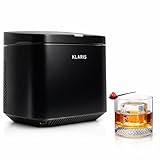
These are compressor-driven units, similar in principle to commercial ice machines, that spray or circulate water over freezing plates. They produce clear cubes in 1.5-3 hours per batch and don’t need freezer space at all since they’re self-contained countertop appliances. They cost more upfront and need periodic descaling.
Collins spear molds
Narrow directional-freezing molds built specifically for the tall, slim spear shape used in Collins and highball glasses. Same slow-freeze mechanics as the cube trays, just a different cavity geometry. Spears take slightly longer to clear fully because the long, thin shape has more surface area relative to volume, but less overall mass to freeze.
Spec comparison
| Type | Typical cube/spear size | Freeze time per batch | Usable clear ice per cycle | Mold material | Freezer shelf height needed |
|---|---|---|---|---|---|
| Insulated cooler, large cube (2-in rocks) | 2 x 2 x 2 in | 18-24 hrs | 4-6 cubes | Silicone mold, EPS/foam shell | 8-9 in |
| Insulated cooler, standard cube (1.25-in) | 1.25 x 1.25 x 1.25 in | 14-18 hrs | 8-12 cubes | Silicone mold, foam or ABS shell | 6-7 in |
| Collins spear mold | 1.25 x 1.25 x 6 in | 20-26 hrs | 4-6 spears | Silicone mold, foam shell | 7-8 in |
| Powered clear-ice machine (compact countertop) | 1.5 x 1.5 x 1.5 in (approx.) | 1.5-3 hrs | 8-12 cubes per cycle, several cycles/day | Stainless steel body, polycarbonate bin | N/A (countertop) |
“Usable clear ice” excludes the cloudy bottom layer you discard, which typically eats up 15-25% of the frozen block in a cooler-style mold.
Durability and what wears out first
- Silicone molds: the most common material, flexible enough to pop cubes free without cracking them. They degrade from repeated hot-water rinsing and dish-soap residue, which can leave a faint film that clouds future batches. Expect 2-4 years of regular use before they stiffen or tear at the cavity seams.
- ABS plastic shells: used on the cooler housings and some lower-cost molds. Durable against drops but prone to hairline stress cracks if left in a chest freezer that runs colder than the unit was designed for. Not a dealbreaker, just inspect yearly.
- Stainless steel (powered machines): the longest-lasting housing material, but the internal pump and water lines are the real wear point. Mineral scale builds up inside the lines if you use hard tap water without filtering, which is the most common reason these machines slow down or jam after a year or two.
Across all three types, the most common failure mode isn’t the mold or machine itself, it’s water quality. Minerals and chlorine taste carry into the ice regardless of how clear it looks, so filtered or distilled water is worth the extra step for both clarity and taste.
Cleaning and maintenance that actually matters
- Rinse silicone molds with cool water, not hot. Hot water accelerates the breakdown of silicone’s surface texture and shortens its clear lifespan.
- Air-dry molds fully before storing; trapped moisture is what causes the faint cloudiness some people blame on “bad batches” when it’s actually mold residue.
- Descale powered machines every 1-2 months with a food-safe descaling solution if you’re on hard water, every 3-4 months on soft water.
- Replace silicone molds once you notice cubes consistently cracking on release, that’s a sign the material has lost elasticity, not a sign you’re doing something wrong.
The dilution math that actually drives the buying decision
Clear ice isn’t just about looks, it’s density. Clear ice is more tightly frozen with far fewer air pockets than cloudy cubes from a standard tray, so it melts slower and dilutes a drink less per minute in the glass. A 2-inch clear rock in an Old Fashioned will typically outlast two to three standard freezer cubes of combined equal volume before adding the same amount of water to the drink. That’s the entire reason spirit-forward, dilution-sensitive cocktails (Old Fashioneds, Negronis, Boulevardiers) call for the largest cube you can fit in the glass, while Collins and highball drinks that are already diluted by soda or juice can tolerate the thinner spear shape without hurting the drink’s balance.
Which one to buy for your situation
| Your situation | Best pick | Why |
|---|---|---|
| Occasional home bartender, budget-conscious | Insulated cooler, standard 1.25-in cube | Lowest cost, no appliance footprint, enough cubes for 2-3 drinks per batch |
| Old Fashioned / Negroni drinker, wants maximum slow-melt | Insulated cooler, 2-in rock mold | Largest surface-to-volume ratio for minimum dilution over a long sip |
| Mostly makes Collins, Mojitos, highballs | Collins spear mold | Matches tall glassware, keeps drink chilled without crowding mixers |
| Hosts regularly or runs a home bar for guests | Powered clear-ice machine | Multiple batches per day without tying up freezer space |
| Limited freezer shelf clearance (under 7 in) | Standard cube cooler or spear mold | Both fit in tighter shelf gaps than the 2-in rock cooler |
| No freezer space to spare at all | Powered clear-ice machine | Self-contained countertop unit, doesn’t compete with food storage |
Common mistakes that ruin clarity
- Skipping the insulation step: freezing a silicone mold directly in the freezer without the cooler shell produces cloudy cubes just like a standard tray, since the whole point is directional freezing from a single exposed face.
- Cutting too early: pulling the mold before the full freeze window leaves a soft, cloudy core that looks clear on the outside but fractures oddly when picked with a cube tool.
- Overfilling the reservoir: too much water around the mold extends freeze time well past the stated window and risks the mold overflowing as the water expands.
- Using tap water with heavy mineral content: clear in shape but cloudy in taste; filtered water solves both problems at once.
For most people building a home cocktail setup in 2026, start with a standard 1.25-inch cube cooler mold and add a 2-inch rock mold once you know your go-to drink. Only move to a powered machine once batch size, not clarity, becomes the actual bottleneck.