Key takeaways
- Skin conditions: Do not use on broken, sunburned, inflamed or infected skin, or over active acne or cold sores.
- Medical devices: Avoid RF and microcurrent if you have a pacemaker, implanted electronic device or metal implants near the treatment area, unless a doctor says otherwise.
- Pregnancy and medication: Ask a doctor first. Some skin medications make skin more sensitive.
- Gel and settings: Use the gel the maker specifies and start at the lowest setting. Burns and irritation are possible with RF.
- Patch test: Try a small area first and wait to see how your skin reacts.
- Darker skin tones: Heat-based treatments can carry a higher risk of pigmentation changes. A dermatologist can advise.
The most important point first: true RF microneedling, where needles deliver radiofrequency energy into the skin, is a professional procedure, and many sources describe it as unsuitable for home use. For a home routine, the realistic choices are needle-free radiofrequency (RF) devices such as the Silk’n Titan or TriPollar models, microcurrent devices like NuFACE, or cosmetic microneedling pens that use no RF. This guide sorts those categories so you can match a device to your goal, and it flags where to see a dermatologist instead of buying anything.
Our top picks



As an Amazon Associate we earn from qualifying purchases at no extra cost to you.
At a Glance: What Each Device Type Does
| Device type | Examples | Best for | Limits |
|---|---|---|---|
| Needle-free RF | Silk’n Titan, TriPollar Stop Vx | Gentle warming for people curious about at-home skin firming | Not the same as RF microneedling; results are modest, according to reviewers |
| Microcurrent | NuFACE Trinity+ | Facial toning routines | Uses electrical current, not RF or needles; needs regular use |
| Cosmetic microneedling pen | Dr. Pen models | Short-needle texture routines for experienced users | No RF; hygiene and infection risk if misused |
| Professional RF microneedling | Clinic devices operated by trained practitioners | Treatments supervised by a clinician | Performed in a clinic; not a consumer purchase |
Why the Term Is Confusing
Search results for “at-home RF microneedling” mix three different technologies. RF microneedling uses insulated or partly insulated needles to deliver radiofrequency energy under the skin surface, and it is performed by trained practitioners. Needle-free RF uses electrodes on the skin surface to warm tissue. Microneedling pens create tiny channels with needles but use no RF. Each has different risks, and marketing frequently blends the names.
Some brand-run sources report that US regulators describe RF microneedling as a medical procedure, and that no RF microneedling device is cleared for home use. Treat that claim cautiously, since these are brand-affiliated pages, and read the regulator’s current statements and the maker’s labelling yourself. The safe reading for a general buyer is straightforward: if a product claims to deliver RF through needles at home, read its labelling and its clearance status carefully, and speak to a dermatologist before using it.
Silk’n Titan: Needle-Free RF
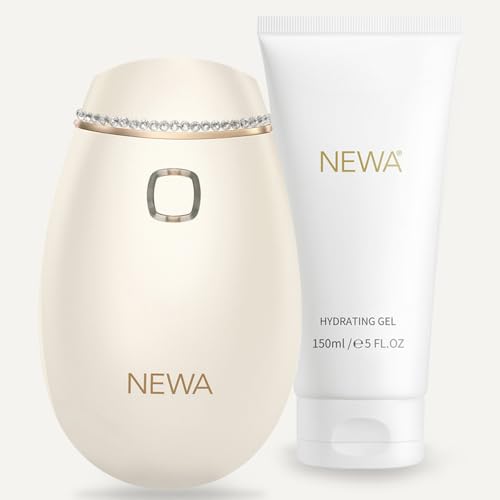
Silk’n’s Titan line uses bipolar RF with infrared light on the skin surface, with no needles involved. Reviews describe the Titan AllWays as a better-value home RF device that lacks the muscle-stimulation feature found on some rivals. The maker’s instructions call for conductive gel designed for the device, and they warn against substitutes. Sessions are brief, and visible changes, where reported, build over weeks of regular use.
Suited to adults who want a surface-level warming routine and accept that results are gradual. Not suited to anyone with a pacemaker or other implanted electronic device, who are told by most makers to avoid RF and similar devices. Pregnant users and people with active skin conditions should consult a doctor first.
TriPollar Stop Vx: Multi-RF with Temperature Feedback
One review site names the TriPollar Stop Vx as its pick for most users, citing a multi-electrode RF system with live temperature monitoring. That is an affiliate-style source, so read the maker’s own documentation for the stated treatment protocol and contraindications. Temperature feedback is a sensible safety feature in principle because overheating is the main way surface RF goes wrong, but it does not replace following the manual.
NuFACE Trinity+: Microcurrent, Not RF
NuFACE makes microcurrent devices. Forbes picks the Trinity+ as the best microcurrent device overall. Microcurrent uses low-level electrical current and is usually used with a conductive gel on the face in short, regular sessions. It is a different technology from RF, and it will not produce the effects of a needle-based clinic treatment. People choose it for a gentle, no-downtime routine.
The same cautions apply: avoid it if you have an implanted electronic device, and ask your doctor if you are pregnant or have a medical condition affecting the skin.
Microneedling Pens: Where Caution Matters Most
Cosmetic pens such as the Dr. Pen line use needles but no RF. Review sites that praise them for home use are often affiliate-driven, and there is a real trade-off: needles break the skin barrier, so poor hygiene, long needle depths or use over active acne, eczema, cold sores or infections can cause problems. Professional pens like the Dermapen 4 and SkinPen are described as cleared prescription devices intended for practitioners, and listings online do not always match the cleared version.
If you consider a pen anyway, use only short needle depths suitable for the face as the maker states, use fresh sterile cartridges every time, and stop if you see signs of infection. For acne scars, melasma or deeper wrinkles, a dermatologist can advise on what is appropriate and whether a procedure suits you.
Safety and Suitability Notes
- Skin conditions: Do not use on broken, sunburned, inflamed or infected skin, or over active acne or cold sores.
- Medical devices: Avoid RF and microcurrent if you have a pacemaker, implanted electronic device or metal implants near the treatment area, unless a doctor says otherwise.
- Pregnancy and medication: Ask a doctor first. Some skin medications make skin more sensitive.
- Gel and settings: Use the gel the maker specifies and start at the lowest setting. Burns and irritation are possible with RF.
- Patch test: Try a small area first and wait to see how your skin reacts.
- Darker skin tones: Heat-based treatments can carry a higher risk of pigmentation changes. A dermatologist can advise.
Budget Tiers
- Budget tier: Basic microneedling pens and simple handheld devices. The lowest price often comes with the weakest documentation and safety features.
- Mid-range tier: Needle-free RF devices such as the Silk’n Titan and microcurrent devices from established brands.
- Premium tier: Multi-electrode RF systems with temperature feedback, and professional sessions, which sit in a different category.
Pick X If…
| If you… | Pick | Why |
|---|---|---|
| Want a gentle RF-style routine at home | Silk’n Titan | Needle-free RF with infrared |
| Want temperature feedback | TriPollar Stop Vx | Multi-RF with temperature monitoring, per reviewers |
| Want a low-risk facial toning routine | NuFACE Trinity+ | Microcurrent with no needles |
| Want true RF microneedling | A clinic with a qualified practitioner | Considered a professional procedure |
| Have acne scars or melasma | A dermatologist visit | Diagnosis comes before device choice |
| Have an implant or pacemaker | Ask your doctor before any device | RF and current devices are commonly restricted |
Alternatives
- LED light masks: Needle-free and gentle, with no current involved. Results are usually modest.
- Topical routines: Sunscreen, retinoids and moisturisers are the best-established skin-care steps. A pharmacist or dermatologist can suggest suitable products.
- Professional treatments: Clinics offer RF microneedling, lasers and peels with clinician oversight.
How to Read Product Claims Carefully
Marketing for skin devices often uses vague words like “tightening”, “rejuvenation” and “clinical-grade”. Look for what the maker actually states: the technology used, the energy type, the treatment time, the number of sessions per week, and the list of people who should not use it. A product page that hides contraindications or promises dramatic results in days deserves scepticism.
Check the clearance or registration status in your country and what it covers. A clearance for a particular intended use does not mean the device is suitable for every skin concern. Independent reviews help, but many pages that rank well are affiliate-driven, so read several and compare what they say about side effects, not just what they praise.
Keep a simple log: date, setting, duration and how your skin looked afterwards. If you notice persistent redness, swelling, blistering, pigment changes or pain, stop using the device and see a clinician. Good habits, including daily sunscreen, matter more to skin health than any gadget.
Finally, be realistic about timelines. Skin renewal is slow, and any change from a home device is expected to build over weeks or months, if it appears at all. If a routine needs more intensity to show results, that is usually a sign to talk to a professional rather than raise the settings.
Frequently Asked Questions
Can I do real RF microneedling at home?
Sources describe true RF microneedling as a professional procedure, and brand-run pages report that no device is cleared for home use. Read the regulator’s current guidance and the product labelling before buying anything that claims otherwise. A dermatologist can explain what is appropriate for your skin.
Is needle-free RF the same as RF microneedling?
No. Needle-free RF warms the surface of the skin with electrodes, while RF microneedling delivers energy through needles beneath the surface. The risks and expected effects differ. Marketing often blurs the two, so check the product description.
How long until I see results from an at-home device?
Makers typically describe regular sessions over several weeks. Reviewers report subtle, gradual changes, and some users see nothing. Skin type, age and consistency all influence results.
Who should not use these devices?
People with pacemakers or implanted electronics, pregnant users, and anyone with active skin infections, open wounds or certain medical conditions should avoid them or ask a doctor first. The manual lists the maker’s exclusions. If in doubt, ask a clinician.
Are microneedling pens safe?
They carry more risk than non-needle devices because they puncture the skin. Poor hygiene, long needles and use over irritated skin can lead to infection or scarring. Use only sterile single-use cartridges and short depths per the maker, or leave needling to a professional.
When should I see a dermatologist instead?
See one for acne scarring, pigmentation, deep lines, any unexplained skin changes, or if a device causes burns, blistering or lasting redness. A dermatologist can recommend treatments that fit your skin type and medical history.
More from Amazon
Programs that pair well with the guide above. Offers and eligibility are set by Amazon and may change.
Set up recurring deliveries of everyday items on eligible products. Terms and savings are set by Amazon.
Explore Subscribe & SaveCollect the home and kitchen items you want in one registry that guests can shop from.
Create a wedding registryFree shipping on eligible items, Prime Video and more. Eligible new members can start with a free trial.
Start a Prime free trialAudiobooks and podcasts to listen to on the go. Eligible new members can start with a free trial.
Try Audible freeAs an Amazon Associate we earn from qualifying purchases.