Key takeaways
- Professional RF or microneedling-RF: clinic devices deliver more energy under a trained practitioner’s supervision.
- Retinoids and daily sunscreen: well-established skincare steps; check with a dermatologist about suitability.
- LED light masks: a gentle, non-heat option, with modest evidence.
- Facial massage tools: low-cost, no electrical stimulation.
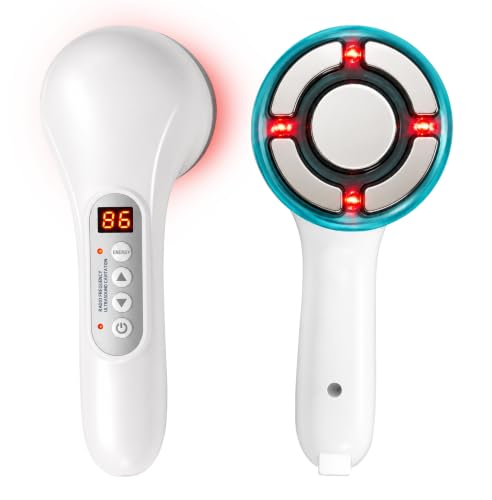
For true radio frequency (RF) skin tightening at home, the TriPollar Stop line is the device most roundups name for firming, the CurrentBody Skin RF is the gentler starter, and budget options such as the AMIRO R1 Pro sit at the entry level, while the NuFace Trinity and Ziip Halo are microcurrent devices that tone and lift muscles rather than heat deeper skin layers. Which suits you depends on your goal, your tolerance for warmth on the skin, and your budget tier. Any of these should be checked against a dermatologist’s advice if you have a skin condition, an implant or any medical device.
Our top picks


As an Amazon Associate we earn from qualifying purchases at no extra cost to you.
Safety and Expectations First
RF devices warm the skin, and makers say gradual heating is meant to encourage collagen over time. At-home devices deliver lower energy than clinic equipment, so results are usually subtle. Do not use RF devices if you are pregnant, have a pacemaker or other implanted electronic device, metal implants in the treated area, active skin infection, cancer, or a medical condition affecting circulation or sensation, unless a doctor has approved it. Avoid use over broken, sunburned or irritated skin, over fillers or recent cosmetic procedures without clinician advice, and near the eyes. Stop if you feel pain, burning or see blistering, and speak with a doctor. Follow each manual’s session length, skin-prep and conductive gel instructions.
Devices at a Glance
| Device | Technology | Best for | Key stated details | Limits |
|---|---|---|---|---|
| TriPollar Stop (Vx line) | Multi-polar RF with vibration | Users wanting true RF with firmer-looking skin over weeks | The maker describes it as FDA-cleared with triple-wave Multi-RF and about 9-minute sessions; reviewers say results build over 8 to 12 weeks | Premium tier; model names are confusing (Vx 2, Vx GOLD 2); one reviewer calls it the riskiest purchase; warmth can be intense |
| CurrentBody Skin RF | RF | A gentler RF starter | Reviewers describe it as an RF-only starter device | Gentler energy means subtler change; mid-range tier |
| AMIRO R1 Pro | RF | Budget RF | Reviewers describe it as a budget pick | Lower power; confirm the maker’s claims |
| Silk’n Titan | RF-style device | Face and neck treatments | Listed in several roundups | Check the maker’s page for current specs |
| NuFace Trinity or Trinity+ | Microcurrent | Lifting and toning, not heat-based tightening | Reviewers say it has the most published clinical data among at-home microcurrent devices | Not RF; requires consistent use and conductive gel; mid-to-premium tier |
| Ziip Halo | Microcurrent and nanocurrent | Beginners who want a guided app | Reviewers recommend it for ease of use | Not RF; tingling sensation can be unusual |
Many roundups come from brands or retailers that sell competing devices, so treat rankings with caution and read each maker’s page for current model names and specifications.
RF versus Microcurrent: Know the Difference
RF uses electromagnetic energy to heat the skin, and makers say this stimulates collagen and tightens over time. Microcurrent uses low-level electrical currents to stimulate facial muscles, and many guides describe it as toning or lifting rather than heating. Some people use both for different goals. Reviewers note that muscle toning effects can be temporary, while RF effects accumulate over weeks, though results for both vary and are generally modest.
What to Look For
Regulatory clearance
Some makers state regulatory clearance (such as FDA clearance for specific uses). That is a useful signal, but it covers specific claims and does not guarantee your result or suitability for your skin.
Treatment area and electrode design
Multi-polar or tripolar electrodes spread energy at different depths. Smaller heads are better for the eyes area (where the maker allows it) and larger ones for cheeks, jawline and neck. Check whether the maker lists the device for face, body or both.
Temperature control and safety cut-offs
Look for devices that state built-in temperature monitoring or automatic shut-off. Where the maker lists such features, they should still be used with the stated session timing, and the device should be moved continuously across the skin.
Conductive gel and prep
Most devices need a conductive gel or serum. Clean, dry, makeup-free skin and the maker’s recommended gel give safer and more consistent contact.
Session length and frequency
Typical schedules are a few sessions per week at first, with maintenance later, but the maker’s manual should set the schedule. More is not better; over-treating can irritate skin.
Skin tone and sensitivity
RF devices are often described as suitable for a range of skin tones, but heat can cause irritation or pigment changes in some people. A patch test and the manual’s guidance are sensible, and a dermatologist can help if your skin is darker or reactive.
Support, warranty and clarity of model names
Because some devices have several versions, buy from the maker’s official channels or an authorised seller, and confirm the exact model name, accessory list and warranty. One reviewer could not confirm certain model names advertised by marketplace sellers on the maker’s official pages.
Realistic Results
Reviewers describe subtle improvements in firmness and texture over several weeks with regular use. Deep lines, heavy laxity and sagging are better addressed by professional treatments, which dermatologists and clinicians can explain. Sun protection, sleep, skincare and not smoking matter as much as any device.
Budget Tiers
Budget tier: Entry RF wands such as the AMIRO R1 Pro, suited to curious first-timers. Mid-range tier: CurrentBody Skin RF, NuFace Trinity and Ziip Halo, offering clearer instructions, apps or published research. Premium tier: TriPollar Stop models with stronger, multi-polar RF.
Pick X If You Want Y
| Pick this | If you need |
|---|---|
| TriPollar Stop | The strongest at-home RF experience and accept the premium tier |
| CurrentBody Skin RF | A gentler way to try RF |
| AMIRO R1 Pro | A budget trial of RF |
| NuFace Trinity+ | Microcurrent facial toning with published data |
| Ziip Halo | An app-guided microcurrent beginner routine |
| Dermatologist consultation | Visible sagging, medical concerns or implants |
Alternatives
- Professional RF or microneedling-RF: clinic devices deliver more energy under a trained practitioner’s supervision.
- Retinoids and daily sunscreen: well-established skincare steps; check with a dermatologist about suitability.
- LED light masks: a gentle, non-heat option, with modest evidence.
- Facial massage tools: low-cost, no electrical stimulation.
A Sensible Routine
Makers typically advise cleansing the skin, removing makeup and jewellery, applying the recommended conductive gel in an even layer, and moving the device slowly in small circles or lines without staying in one spot. Sessions are timed by region, and most manuals advise stopping if the skin feels uncomfortably hot. Afterwards, rinse or wipe off the gel, apply a gentle moisturiser and use broad-spectrum sunscreen every day, since warmed skin can be more sensitive to sun.
Take before-and-after photos in the same light every couple of weeks, rather than judging by the mirror. If you use active skincare such as retinoids or acids, ask a dermatologist how to space them around sessions. Clean the device head with the cleaner the maker suggests, keep the gel separate from other products, and store it away from heat and humidity. Replace worn accessories as the manual advises.
Frequently Asked Questions
Do at-home RF devices really tighten skin?
Reviewers describe modest, gradual firming with regular use over weeks, not dramatic lifting. At-home devices use lower energy than clinic equipment. Results vary, and a dermatologist can advise if you expect stronger changes.
What is the difference between RF and microcurrent?
RF heats skin tissue, while microcurrent uses low electrical currents to stimulate muscles. Roundups often treat RF as better for tightening and microcurrent for toning and lifting. Many users choose one based on their goal.
Who should not use an RF device?
People with pacemakers or other implanted electronic devices, pregnancy, certain medical conditions, active skin infections, or metal implants near the area should not use them without medical advice. Avoid irritated, sunburned or broken skin too. If unsure, ask a doctor.
How often should I use it?
Follow the maker’s manual, which typically specifies a few sessions per week at the start and shorter maintenance schedules afterwards. Avoid overuse, as more heating does not mean better results and can irritate skin.
Do I need conductive gel?
Most RF and microcurrent devices require a conductive gel or serum for safe contact and comfort. Use the type the maker lists, and apply it to clean skin. Do not use a device dry unless the manual allows it.
How long until I see results?
One roundup says RF tightening develops gradually over 8 to 12 weeks, while microcurrent effects can look immediate but short-lived. Individual results differ, and photos taken at consistent lighting help track change. Stop if you notice irritation and consult a professional.
More from Amazon
Programs that pair well with the guide above. Offers and eligibility are set by Amazon and may change.
Set up recurring deliveries of everyday items on eligible products. Terms and savings are set by Amazon.
Explore Subscribe & SaveCollect the home and kitchen items you want in one registry that guests can shop from.
Create a wedding registryFree shipping on eligible items, Prime Video and more. Eligible new members can start with a free trial.
Start a Prime free trialAudiobooks and podcasts to listen to on the go. Eligible new members can start with a free trial.
Try Audible freeAs an Amazon Associate we earn from qualifying purchases.