Key takeaways
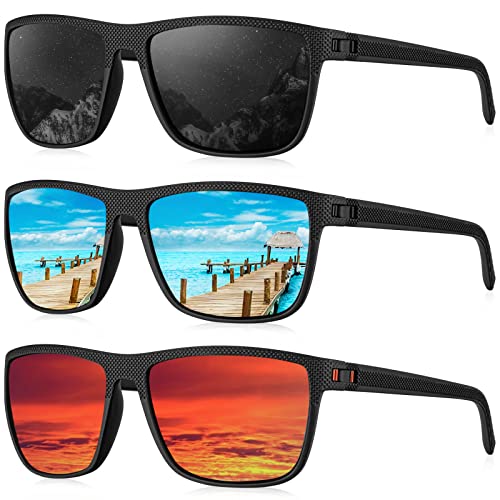
- Gray: Neutral color perception and general-purpose brightness reduction.
- Brown or copper: Increases contrast and warms colors, often preferred for driving and shallow-water fishing.
- Green or blue mirror: Reduces glare and the amount of light reaching the eye; mirrors are popular for open water and bright conditions.
- Amber or yellow: Boosts contrast in lower light but is not always suitable for very bright days.
For men who spend time on or near water, Costa del Mar is the brand reviewers most often recommend for polarized clarity and grip; for color-enhancing optics in everyday and golf use, look at Maui Jim; for sport and active use, Oakley; and for classic style on a tighter budget, Ray-Ban or goodr. Polarization cuts glare from flat surfaces such as water and wet roads, but it is not the same as UV protection, so check that any pair also lists full UV blocking.
Our top picks



As an Amazon Associate we earn from qualifying purchases at no extra cost to you.
At a Glance: Polarized Sunglasses Compared
| Brand / model | Best for | Key points reviewers and makers cite | Limits |
|---|---|---|---|
| Costa del Mar (for example Tuna Alley, Rinconcito) | Fishing, boating, coastal use | Known for 580 glass and plastic lens options; reviewers praise water-glare control and secure fit | Premium tier; glass lenses are heavier |
| Maui Jim (for example Hookipa, Lighthouse) | Everyday, driving, golf, travel | PolarizedPlus2 lenses are described by the maker as reducing glare and enhancing color | Premium tier; some frames run narrow, so check fit |
| Oakley (for example Holbrook Polarized, Fuel Cell) | Active use, cycling, running, mixed outdoor and casual wear | Sport-oriented frames; roundups call Holbrook a solid style and performance mix | Lens options and coatings vary by model, so confirm polarization is included |
| Ray-Ban (Aviator RB3025, Wayfarer RB2132) | Classic style with polarized lens options | Iconic shapes available with polarized lenses | Reviewers say the standard polarized lens is less color-tuned than Maui Jim |
| goodr | Budget-tier running and casual use | Lightweight, no-slip styling; often named as the value pick | Less refined optics and materials than premium glass-lens brands |
Most online roundups on this subject are affiliate-style rather than lab tests, so this table relies on what makers state and on the points independent outlets such as OutdoorGearLab repeat. Check each model’s page for the exact lens material, polarization and UV details before you buy.
What Polarization Does, and What It Does Not
Polarized lenses contain a filter that blocks horizontally reflected light, which is the glare that bounces off water, snow, wet asphalt and car hoods. Many wearers find this reduces squinting and eye fatigue. Polarization is not the same as UV protection, however. A pair can be polarized and still be marketed without full UV blocking, so look for a stated UV400 or 100 percent UVA and UVB rating from the maker.
Polarized lenses can also make some digital screens look dim or striped, including certain phone displays, car dashboards and ATMs. Some pilots and skiers avoid them for this reason or because they can hide icy patches. If you wear them while driving, check that you can still read your instruments clearly. If you have a medical eye condition or a vision concern, ask an eye doctor which sunglasses suit you.
Lens Materials and Colors
Glass, polycarbonate and other plastics
Glass lenses are typically the clearest and most scratch resistant, which is why Costa promotes its 580G glass options for fishing. They are also heavier and can shatter on impact. Polycarbonate is lighter and more impact resistant, making it a common choice for sport. Some makers use their own plastic blends, such as Oakley’s Plutonite or Costa’s 580P, with different optical and weight trade-offs.
Lens tints
- Gray: Neutral color perception and general-purpose brightness reduction.
- Brown or copper: Increases contrast and warms colors, often preferred for driving and shallow-water fishing.
- Green or blue mirror: Reduces glare and the amount of light reaching the eye; mirrors are popular for open water and bright conditions.
- Amber or yellow: Boosts contrast in lower light but is not always suitable for very bright days.
Fit and Frame Notes
Fit matters as much as lens brand. Look at the listed lens width, bridge width and temple length; these are usually stamped inside the arm. Narrow faces often do better with smaller frames, while larger heads may need wider fits that makers sometimes label as “large” or “XL.” Wraparound styles block side light and wind but can feel tight if the frame is too narrow. If you wear glasses regularly, check whether a model is available in prescription-ready or fit-over versions and have an optician advise you.
Frame materials include nylon, injection-molded polymer, acetate and metal. Nylon and rubberized nose pads add grip when you sweat, which helps in sport and fishing. Metal frames like the Aviator look classic but can slip on sweaty noses. Spring hinges add flexibility and can improve long-term fit.
Matching Sunglasses to the Activity
Driving calls for a lens that is dark enough to cut glare but not so dark that you lose detail in tunnels or at dusk; gray or brown polarized lenses in a medium tint are common choices, and you should check that you can still read your dashboard. For golf, many players prefer color-enhancing tints that make the green and the ball stand out, which is where Maui Jim positions its lenses. For running and cycling, a lightweight wrap frame with rubberized pads that stays put when you sweat matters more than the lens brand. For the beach or a boat, look for a close-fitting frame with side coverage and a lens with a hydrophobic or oleophobic coating, which makers say helps water and oils bead off.
Keep in mind that the same pair rarely does everything well. Many buyers end up with one everyday pair and one activity pair, and starting with the use you spend the most hours on gives the best return from a premium purchase.
Budget Tiers
Budget
Value-oriented brands such as goodr offer polarized options for running and casual use. Expect plastic lenses and lighter build, with less refined optics and fewer warranty services than premium makers.
Mid-range
Oakley Holbrook Polarized and Ray-Ban Wayfarer and Aviator models are the usual picks here. These give familiar styling and good all-round performance, though reviewers note that Ray-Ban’s standard polarized lenses are less color-enhancing than the premium makers’ proprietary lenses.
Premium
Costa del Mar and Maui Jim occupy the top tier. Reviewers praise their lens clarity, with Costa favored for saltwater use and Maui Jim for color and optical quality. Glass options cost more but give the sharpest views.
Pick X If… Decision Table
| Pick this | If you… |
|---|---|
| Costa del Mar | fish, boat or spend long hours on the water and want strong glare control and a secure fit |
| Maui Jim | want color-enhancing, comfortable all-day lenses for driving, golf or travel |
| Oakley Holbrook or Fuel Cell | want a casual-to-sport frame that handles mixed outdoor activity |
| Ray-Ban Aviator or Wayfarer | care most about classic styling and accept simpler lens tuning |
| goodr | need low-cost polarized sunglasses for running or everyday use |
Care and Safety Notes
Rinse saltwater or sweat off with fresh water, then clean lenses with the microfiber cloth and the maker’s recommended cleaner. Avoid wiping dry lenses with clothing, which can scratch coatings. Store sunglasses in a hard case, away from hot dashboards, because heat can damage lens coatings and polarization films. Replace lenses or frames that are scratched, cracked or loose, as damaged lenses can distort vision and compromise UV protection.
Sunglasses are not a substitute for safety eyewear in workshops or sports where impact is possible. If you use them for those activities, look for models that state compliance with the relevant safety standard.
Alternatives
- Photochromic sunglasses: Lenses that darken in bright light; some makers offer polarized photochromic versions for variable conditions.
- Prescription polarized lenses: Available through opticians for wearers who need correction; discuss frame and lens compatibility with your provider.
- Clip-on polarized lenses or fit-overs: A budget approach for people who already wear glasses.
- Non-polarized lenses with full UV protection: Fine for use around screens, in some sports and for anyone who dislikes the polarized effect.
Frequently Asked Questions
Are polarized sunglasses better than regular sunglasses?
They are better at cutting glare from flat, reflective surfaces such as water and wet roads, which many wearers find more comfortable. They do not add UV protection by themselves, so confirm the stated UV rating. They can make some screens harder to read, so they are not ideal for every situation.
Which brand is best for fishing?
Reviewers most often point to Costa del Mar for fishing and saltwater use because of its glare-cutting lenses and secure frames. Maui Jim is another premium option if color and clarity matter most. Try different lens tints, as copper and green mirror are popular on the water.
How can I tell if my sunglasses are polarized?
Look at a phone or LCD screen through the lens and rotate the glasses; polarized lenses will often make the screen dim or go dark at certain angles. You can also compare glare on a reflective surface with and without the lenses. Check the product details for a polarization statement as well.
Do polarized lenses protect against UV?
Not automatically. Polarization is a separate feature from UV filtering, so look for a UV400 or 100 percent UVA and UVB statement from the maker. If you have concerns about eye health or sun exposure, see an eye care professional.
Are glass lenses worth the extra weight?
Glass is valued for optical clarity and scratch resistance, which is why premium fishing brands offer it. It is heavier and can break on hard impact. If you want lighter wear for sport, a polycarbonate or similar plastic lens may be more comfortable.
How do I choose the right size?
Check the lens width, bridge width and temple length printed on the frame, and compare them with a pair that already fits you comfortably. The sunglasses should sit evenly without pinching or sliding. Many makers publish size guides, and some offer small, medium and large versions of the same style.
More from Amazon
Programs that pair well with the guide above. Offers and eligibility are set by Amazon and may change.
Set up recurring deliveries of everyday items on eligible products. Terms and savings are set by Amazon.
Explore Subscribe & SaveCollect the home and kitchen items you want in one registry that guests can shop from.
Create a wedding registryFree shipping on eligible items, Prime Video and more. Eligible new members can start with a free trial.
Start a Prime free trialAudiobooks and podcasts to listen to on the go. Eligible new members can start with a free trial.
Try Audible freeAs an Amazon Associate we earn from qualifying purchases.