A compact single-zone compressor wine fridge from a brand such as NewAir, Wine Enthusiast, EdgeStar or Cuisinart suits most beginners, because one steady temperature handles reds, whites and sparkling bottles well enough for the first year or two of collecting. Pick a dual-zone model only if you already buy bottles to age and also keep whites ready to serve, and consider a thermoelectric unit only for a quiet room with a small, short-term stash. Everything below is based on maker specifications and published reviewer commentary, so treat the numbers as the manufacturers’ stated figures.
At a Glance: Wine Fridge Types for New Buyers
| Type | Example brands | Best for | Key stated traits | Limits |
|---|---|---|---|---|
| Compact single-zone compressor | NewAir, Wine Enthusiast, Cuisinart, EdgeStar | First fridge, 6 to 30 bottles | One temperature range, usually adjustable by a few degrees; digital or dial control | Whites and reds share one setting |
| Dual-zone compressor | Whynter, Vinotemp, Kalamera, NewAir | Mixed serving and storage | Two independent zones, often with wooden or metal shelves | Larger footprint, higher budget tier |
| Thermoelectric | Kalamera, Ivation, Koolatron | Quiet rooms, small collections | No compressor, low vibration, low noise | Cooling depends on room temperature; weaker in warm rooms |
| Built-in or undercounter | Avanti, Vinotemp, U-Line, Sub-Zero | Kitchen or bar installs | Front ventilation so it can sit between cabinets | Premium tier, needs planned cutout |
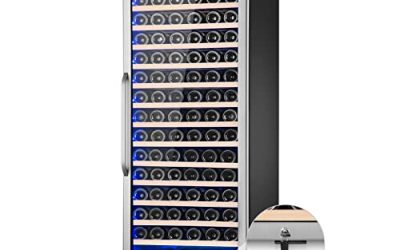
| Freestanding tall cabinet | Wine Enthusiast, Vinotemp, Whynter | Growing collections | Up to dozens of bottles, glass doors, UV-resistant glazing on many | Floor space, weight, noise from larger compressors |
What a Wine Fridge Actually Does
A wine fridge holds a steady, moderate temperature, controls light and keeps bottles lying down so corks stay in contact with the wine. A standard kitchen refrigerator is usually colder and drier, and its door opens and closes constantly. Most wine storage guidance from sommelier organisations and wine publications describes a cellar range around the low-to-mid 50s degrees Fahrenheit for long-term keeping, with serving temperatures a little different by style: sparkling and whites cooler, reds slightly warmer. A beginner does not need to chase precision. A fridge that stays stable, rather than one that swings, is the goal.
Single-Zone vs Dual-Zone
A single-zone fridge keeps every shelf at the same temperature. That is the simplest and usually the most affordable layout, and it works well if you mainly buy bottles to drink within months. A common compromise is to set it near the middle of its range and pull whites out for a short chill when needed. Dual-zone models, such as those in the Whynter and Vinotemp ranges, let you hold whites cool in one section and reds at cellar temperature in another. They suit someone who entertains and wants bottles ready to serve. The trade-off is a bigger footprint and a higher budget tier, and in some units the two zones share a single compressor, which can limit how far apart the settings can sit. The maker’s manual lists the available temperature span for each zone.
Compressor vs Thermoelectric
Compressor models work like a small refrigerator and can hold their set temperature even in a warm room, within the range the maker lists. They produce some noise and vibration. Thermoelectric models use a solid-state cooling plate, so they are quiet and have no compressor vibration, which is why they appear in bedrooms and living areas. Makers and reviewers both note that thermoelectric cooling is relative to the room, so a unit in a hot garage or a sunny kitchen may struggle to reach the temperatures you want. For a beginner in a climate-controlled home with a small collection, either type can work. For anyone who expects to keep wine for years or lives in a warm area, a compressor is the safer default.
Picks by Need
Best for a first fridge: compact single-zone from NewAir or Wine Enthusiast
Both brands sell small freestanding units in a range of bottle counts, usually from around a half case to a few dozen. The appeal for beginners is a simple control panel, a glass door and removable shelves. Look at the maker’s listing for the bottle capacity, which is normally quoted for standard Bordeaux-shaped bottles. Wider bottles such as many sparkling wines, Burgundy styles and magnums often reduce the real count.
Best for mixed serving and storage: Whynter or Vinotemp dual-zone
Whynter and Vinotemp both list dual-zone cabinets with separate controls. Reviewers who cover these categories generally point to flexible shelving and good temperature separation as the main benefits, and to size and weight as the main drawbacks. If you plan to keep a few cellar reds and a few ready-to-serve whites, this layout means fewer compromises.
Best for a quiet small room: Kalamera or Ivation thermoelectric
These smaller units are listed by their makers as low-noise options. They fit apartments and offices. Because the cooling depends on ambient temperature, place them away from ovens, windows and radiators and check the room range in the manual.
Best for a kitchen cutout: Avanti or Vinotemp built-in
If the fridge will sit under a counter, look specifically for front-venting models. A freestanding unit placed in a tight cutout can overheat because it expects airflow from the sides or back. The maker’s installation sheet gives the required clearances.
Best for a growing collection: full-height cabinets
Tall cabinets from Wine Enthusiast, Vinotemp and Whynter hold dozens of bottles and often include UV-protective glass. They cost more, need floor space and weigh a lot when full, so confirm the floor and doorway before ordering.
Pick X If You…
| Pick | If you… | Watch out for |
|---|---|---|
| Compact single-zone compressor | buy a few bottles a month and want the simplest setup | Outgrowing capacity quickly |
| Dual-zone compressor | serve whites and age reds at the same time | Footprint and budget tier |
| Thermoelectric | need near-silent operation in a living space | Weak cooling in warm rooms |
| Built-in front-vent | are fitting it into cabinetry | Clearance and cutout dimensions |
| Full-height cabinet | expect a collection of several dozen bottles or more | Weight, floor space, noise |
| Second-hand or small beverage cooler | only need chilled serving, not storage | Often not designed for long-term wine storage |
Size, Fit and Installation Notes
- Allow ventilation. Freestanding models normally need space around the sides and back. Makers print the minimum gap in the manual.
- Measure the door swing. Glass doors with a left or right hinge may collide with walls or counters. Some models let you reverse the hinge.
- Plan for capacity growth. Beginners often buy to fit a current stash and then outgrow the unit. Many buyers choose one size above their current bottle count.
- Check shelf types. Wooden shelves look good and slide out, while metal wire shelves can fit more bottles. Some shelves hold a standard bottle only.
- Level the unit. A level cabinet reduces vibration and keeps the door sealed.
- Power. Most home units use a standard household outlet. If you are unsure about the outlet or wiring, ask a qualified electrician instead of guessing.
Care and Maintenance
Unplug the unit before cleaning, wipe the inside with a mild solution as the manual describes, and leave the door open briefly to dry. Dust the condenser area when the manual says it is accessible. Do not store non-wine items with strong smells inside, because corks can pick up odours. Keep the door closed as much as possible, and avoid overloading shelves beyond the maker’s stated capacity. If the compressor makes new loud noises or the unit does not hold its temperature, contact the manufacturer’s support or a qualified appliance technician instead of opening sealed parts yourself.
Alternatives to Consider
- A beverage cooler. Good for serving temperature, but not designed for long-term storage. Makers of beverage coolers usually describe them for drinks in general.
- A wine rack in a cool interior closet. For short-term storage of inexpensive bottles it may be enough, as long as the space is dark and not subject to big temperature swings.
- Off-site storage. Professional wine storage services are an option for collectors who build a larger cellar.
Common Beginner Mistakes
- Buying on bottle count alone without checking bottle shape.
- Placing a freestanding fridge inside a cabinet that has no airflow.
- Assuming a thermoelectric unit will perform the same in every room.
- Setting the fridge very cold and leaving it there, which makes red wines taste muted when served.
- Ignoring the vibration and noise level when putting the unit in a bedroom or living area.
Frequently Asked Questions
What temperature should a beginner set a wine fridge to?
Many wine publications describe a steady range around the mid 50s degrees Fahrenheit for general storage. Sparkling and white wines taste better a little cooler and reds a little warmer when served. A beginner can set the fridge in the middle of the maker’s range and adjust for serving.
Is a wine fridge better than a normal refrigerator for wine?
For short-term storage, a regular fridge works. For anything longer than a few weeks, a wine fridge offers a more suitable temperature, less vibration and often UV-protective glass. Standard fridges are usually colder and drier, which makers of wine coolers cite as a reason not to use them for long-term storage.
How many bottles should I plan for?
Count the bottles you currently own and add room for growth. Many buyers choose a unit one size larger than needed. Remember that maker capacity numbers assume standard bottles, so wider bottles reduce the real count.
Do thermoelectric wine coolers work in a garage?
Makers generally state that thermoelectric units cool by a set number of degrees below room temperature. In a hot or very cold garage that range may not be enough, so a compressor unit rated for wider ambient temperatures is the safer choice. Check the ambient range listed in the manual.
Can I put a freestanding wine fridge under a counter?
Only if the maker says so. Freestanding models rely on airflow around the sides and back, and a tight cutout can cause overheating. Built-in models vent from the front and are designed for that placement.
How long does a wine fridge last?
Lifespan depends on the model, the room and how well it is maintained. Makers list warranty terms in the product documentation, and reviewers often point out that compressor units tend to last longer than thermoelectric ones. Keeping vents clear and cleaning the unit as the manual describes helps it run as designed.
More from Amazon
Programs that pair well with the guide above. Offers and eligibility are set by Amazon and may change.
Set up recurring deliveries of everyday items on eligible products. Terms and savings are set by Amazon.
Explore Subscribe & SaveCollect the home and kitchen items you want in one registry that guests can shop from.
Create a wedding registryFree shipping on eligible items, Prime Video and more. Eligible new members can start with a free trial.
Start a Prime free trialAudiobooks and podcasts to listen to on the go. Eligible new members can start with a free trial.
Try Audible freeAs an Amazon Associate we earn from qualifying purchases.