Key takeaways
- 2 oz (60 ml) vodka
- ½ oz (15 ml) fresh lime juice
- 4 oz (120 ml) ginger beer, chilled
- 4–6 large ice cubes, or enough to fill the serving vessel
- Lime wedge or lime wheel, for garnish
The best moscow mule recipe for home use is 2 oz vodka, ½ oz fresh lime juice, and 4 oz chilled ginger beer, served over ice and finished with a lime wedge in a 16 oz copper mug or highball glass.
Our top picks


As an Amazon Associate we earn from qualifying purchases at no extra cost to you.
Classic Moscow Mule Recipe
- 2 oz (60 ml) vodka
- ½ oz (15 ml) fresh lime juice
- 4 oz (120 ml) ginger beer, chilled
- 4–6 large ice cubes, or enough to fill the serving vessel
- Lime wedge or lime wheel, for garnish
Method
- Fill a 16 oz copper mug or highball glass with ice.
- Pour in the vodka and fresh lime juice.
- Add the ginger beer and stir gently once or twice. Avoid vigorous stirring, which releases carbonation.
- Garnish with a lime wedge or wheel and serve immediately.
This ratio gives the drink a clear vodka base, noticeable lime acidity, and enough ginger beer to make it refreshing without turning it into a soft drink. For a stronger, drier mule, use 3 oz ginger beer. For a longer drink, use 6 oz.
Ingredient Choices That Affect the Result
Vodka
Use a clean, neutral vodka rather than a heavily flavored or sweetened spirit. A mid-range bottle is usually the best value because the ginger beer and lime provide most of the cocktail’s character. Premium vodka can make the texture feel smoother, but it will not compensate for flat ginger beer or bottled lime juice.
Ginger beer
Ginger beer is normally nonalcoholic and should not be confused with ginger ale. It is less sweet, more aromatic, and often carries a sharper ginger heat. Choose a 4 oz mini bottle or can if you regularly make one drink; a larger bottle is economical for entertaining but loses carbonation after opening.
Ginger beer varies significantly in intensity. A spicy version works well with a mild vodka and less lime. A sweet, gentle version may need ½ oz lime and a slightly larger vodka pour to keep the drink balanced.
Lime
Fresh lime juice is preferable because it supplies both acidity and bright citrus aroma. One average lime commonly produces about 1–1½ oz of juice, so a single lime is enough for two or three mules depending on its size. Bottled juice can work in a party batch, but it tends to taste flatter and more acidic.
Copper Mug vs. Glass: Which Should You Buy?
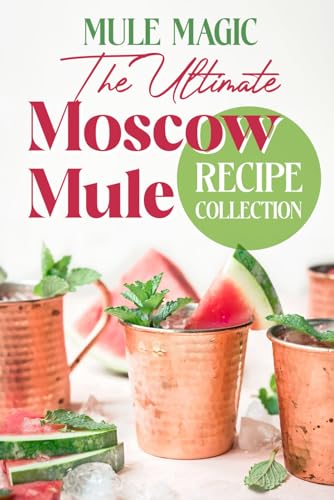
The copper mug is traditional and excellent at keeping the outside of the drink cold, but it is not required for the cocktail to taste correct. The practical choice depends on how often you make mules, how much storage space you have, and whether the mug is lined.
| Vessel | Typical capacity | Approximate empty weight | Best feature | Main drawback |
|---|---|---|---|---|
| Lined copper mug | 16 oz / 473 ml | 250–400 g | Traditional appearance and cold-feeling exterior | Needs careful hand-washing; usually costs $20–$45 each |
| Unlined copper mug | 16 oz / 473 ml | 250–400 g | Authentic all-copper construction | Acidic lime can contact copper; not the best everyday option |
| Highball glass | 10–14 oz / 296–414 ml | 250–450 g | Easy to clean and useful for other drinks | Warms faster in the hand |
| Collins glass | 12–16 oz / 355–473 ml | 300–550 g | Accommodates extra ginger beer and tall ice | Takes more shelf space and can feel less distinctive |
| Stainless-steel mule mug | 16 oz / 473 ml | 180–300 g | Durable and usually dishwasher-friendly | Lacks copper’s traditional look |
For regular use, choose a food-safe mug with a stainless-steel or nickel lining. The lining separates the acidic lime and carbonated drink from the copper. Avoid assuming that a copper-colored finish means the vessel is solid copper; many inexpensive mugs are stainless steel with a copper coating, which is perfectly practical if the finish is intact.
Decision Guide by Drinking Situation
| Your situation | Best choice | Why |
|---|---|---|
| Making one or two mules occasionally | Two lined 16 oz copper mugs | Enough for a pair without buying a large set |
| Small kitchen or limited storage | Highball glasses | Stack or store easily and work for many cocktails |
| Frequent outdoor use | Stainless-steel mugs | Light, resistant to breakage, and easier to maintain |
| Hosting four to eight guests | Matching 16 oz mugs or Collins glasses | Consistent portions and faster service |
| Strong preference for spicy ginger | 16 oz vessel with 3–4 oz spicy ginger beer | Keeps the drink focused rather than overly diluted |
| Preference for a longer, milder drink | 14–16 oz Collins glass with 5–6 oz ginger beer | More volume without adding extra alcohol |
Ice, Temperature, and Dilution
Use large, hard cubes when available. Four 1½-inch cubes provide substantial chilling with less surface area than a scoop of small, fast-melting ice. Fill the vessel rather than adding only a few cubes; a mostly empty glass warms quickly and leaves the drink under-diluted at first, then watery later as the remaining ice melts.
A useful preparation calculation is the difference between a 4 oz and 6 oz pour of ginger beer. With 2 oz vodka and ½ oz lime, the liquid volume before melting is 6½ oz with 4 oz ginger beer, or 8½ oz with 6 oz. After allowing roughly 10–15% additional volume from stirring and melting, both versions fit comfortably in a 16 oz mug filled with ice. A 10 oz highball is better suited to the shorter 4 oz version.
Do not shake a Moscow Mule. Shaking carbonated ginger beer can create pressure and causes excessive foaming. Combine the noncarbonated ingredients first if you want to stir briefly, then add the ginger beer last.
Garnish Options: Appearance vs. Flavor
- Lime wedge: The most useful garnish because the drinker can add extra acidity.
- Lime wheel: More polished for photographs, but it contributes less juice.
- Thin ginger slice: Reinforces the ginger aroma without adding sweetness.
- Mint sprig: Adds a cool aroma, though it is not part of the classic specification.
- Candied ginger: Attractive with spicy ginger beer, but adds sweetness.
Expressing a lime peel over the surface can add aroma, but a standard wedge is the most practical option. Avoid piling on multiple garnishes that hide the drink or shed leaves into the carbonation.
Cleaning and Durability Realities
Copper mugs need more care than glass. Rinse them soon after use, especially when lime juice is involved, and wash with mild dish soap and a soft sponge. Dry them fully to prevent water spots. Do not use abrasive pads or harsh acidic cleaners, which can damage the finish or expose the underlying metal.
Check the interior lining occasionally for scratches, bubbling, or peeling. If the lining is damaged and the copper beneath is exposed, retire the mug for acidic drinks and replace it. Glass is more resistant to this issue but can chip around the rim; stainless steel usually lasts longest for outdoor or high-frequency use.
Ginger beer is the main consumable cost. At general 2026 market prices, a homemade mule typically costs about $2.50–$5 per serving, depending on the vodka and whether ginger beer is bought individually or in multipacks. A two-mug purchase at roughly $40 total adds about $0.40 per use over 100 cocktails, before cleaning and replacement costs.
Common Mistakes to Avoid
- Using ginger ale when you want a spicy, traditional profile.
- Adding too much lime, which overwhelms the vodka and ginger.
- Using a warm ginger beer and expecting ice alone to fix the temperature.
- Filling a large mug with only 3 oz of liquid and too little ice.
- Leaving lime juice in an unlined copper vessel for extended periods.
- Stirring aggressively after adding carbonation.
Best Overall Setup for Home Use
For most people, the sensible setup is two lined 16 oz copper mugs, a jigger marked at ½ oz and 2 oz, a citrus press, large ice cubes, and individual 4–6 oz bottles or cans of ginger beer. It preserves the classic presentation while keeping measurement, cleaning, and carbonation under control. If versatility and easy storage matter more than tradition, use a 12–14 oz highball or Collins glass with exactly the same recipe.