Key takeaways
- Pro: Clean, neutral sweetness with no off-notes reported
- Pro: Compact size reduces fridge footprint and waste
- Con: Small volume means frequent repurchasing for regular users
The reason most home bartenders reach for a bottle of simple syrup is the same reason they eventually get frustrated with it: they want reliable sweetness without the sticky mess of dissolving granulated sugar into cold liquid. Making a batch at home sounds trivial until you deal with crystallization, inconsistent ratios, or a jar that grows a pellicle of mold after two weeks in the fridge. A good commercial simple syrup eliminates those problems, but the category is crowded, and the differences between bottles that look nearly identical on a shelf are real.
What separates a worthwhile purchase from a mediocre one comes down to a handful of factors: whether the ingredients list reads like something you could make yourself (cane sugar and water, no preservatives or flavor additives unless you want them), how the packaging handles repeated pours without dripping or foaming, and whether the price per ounce actually beats making it at home for your usage. A bartender who shakes three drinks on a Saturday night has different needs than someone running a well at a restaurant. We compared the products below on published specs, retail prices, and aggregated owner feedback to help you find the right bottle for your situation.
As an Amazon Associate we earn from qualifying purchases at no extra cost to you.




Quick Picks
| Product | Best for | Price |
|---|---|---|
| Stirrings Pure Cane Simple Syrup | Small home bar setups | $8.79 |
| Collins Simple Syrup 32 Ounces | Entertaining and volume use | $12.99 |
| Master of Mixes 12.7 Fl Oz | Tightest budget | $7.91 |
| Finest Call Premium 1 Liter | Serious home bartenders | $13.12 |
| DaVinci Gourmet Classic 25.4 Fl Oz | Cocktail-to-coffee versatility | $9.50 |
| Liquid Alchemist Simple Syrup | Premium ingredient standards | $17.99 |
| Collins Simple Syrup 12.7 Ounces | Old Fashioned purists | $7.99 |
| Master of Mixes 375 mL | Stocking a well-stocked bar | $14.99 |
How We Picked
We narrowed this list using four criteria that consistently appear in owner reviews across the category: ingredient transparency (pure cane sugar and water without unpronounceable additives), value measured as cost per fluid ounce relative to a DIY batch, packaging that handles controlled pouring and storage, and reported shelf stability under normal refrigeration. Products that failed on any of these in a pattern confirmed by multiple owner reports were excluded.
The 8 Best Simple Syrup For Cocktails in 2026
Stirrings Pure Cane Simple Syrup
The 12-ounce bottle is sized for someone who mixes a handful of drinks per week and does not want a half-empty container sitting in the fridge. Owners praise the clean taste profile—no waxy or chemical undertone that plagues cheaper syrups—and the pour spout that delivers a controlled stream rather than a splash. The main trade-off is volume: if you shake anything beyond two or three drinks at a time, you will reorder frequently, and the per-ounce cost climbs. Skip this if you host regularly or need a consistent supply for multiple cocktail styles; you will be better served by a larger-format bottle.
- Pro: Clean, neutral sweetness with no off-notes reported
- Pro: Compact size reduces fridge footprint and waste
- Con: Small volume means frequent repurchasing for regular users
Collins Simple Syrup 32 Ounces
This is the volume play in the Collins line. At 32 fluid ounces it is the second-largest bottle on this list and the most practical for anyone who makes pre-batched cocktails, serves a crowd, or uses simple syrup in iced coffee alongside cocktails. The real-sugar formula keeps the ingredient list short. Owners note the wide mouth makes it easy to pour into jiggers and shakers without dribbling down the side. The drawback is that a half-used bottle can sit for weeks, and some reviewers report that the flavor shifts slightly over that window even with refrigeration. If you go through syrup slowly, the smaller Collins or the Master of Mixes will serve you better.
- Pro: Excellent value per ounce for high-volume users
- Pro: Wide pour spout reduces mess at the bar
- Con: Long-term storage can produce subtle flavor drift
Master of Mixes 12.7 Fl Oz
At $7.91, this is the lowest-priced bottle in our roundup and the default recommendation for anyone who wants to add simple syrup to their bar without a real commitment. The 12.7-ounce size is generous for a beginner. The formula uses pure cane sugar, and the taste is straightforward sweetness without complexity—exactly what you want in a Daiquiri or a Whiskey Sour. The limitation is that Master of Mixes is a broad-line brand known for many mixers, not a specialty syrup producer; some owners describe the body as thinner than Finest Call or DaVinci, which matters in stirred drinks where mouthfeel is more exposed.
- Pro: Lowest entry price with no meaningful compromise on taste
- Pro: Widely available at grocery and liquor stores
- Con: Thinner viscosity may disappoint for stirred applications
Finest Call Premium Pure Cane Sugar Simple Syrup 1 Liter
Finest Call is the brand most home bartenders graduate to when they start taking ratios seriously. The 1-liter bottle delivers the best cost-per-ounce ratio among the large formats, and owners consistently report that it mixes cleanly into cold liquids without a settling layer at the bottom of the shaker. The individually boxed packaging means it ships without breakage concerns. The one frustration: the standard pour spout can glug when you tilt too far, and some owners keep a small funnel for jigger work. If you are pouring a hundred Daiquiris at a brunch, that glugging adds up. Skip if you prefer a precise, drip-free pour and are willing to pay more for it.
- Pro: Outstanding value at the 1-liter price point
- Pro: Blends smoothly into cold and shaken drinks
- Con: Pour control requires practice or a secondary tool
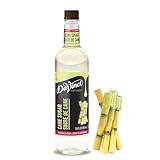
DaVinci Gourmet Classic Cane Sugar Syrup
DaVinci built its reputation in coffee service, and this syrup shows that lineage. At 25.4 ounces it hits a practical middle ground—enough for regular cocktail use without the commitment of a liter. Owners like that it performs identically in an iced latte and an Old Fashioned, which means one bottle covers two uses. The glass bottle also looks better on an open bar than plastic containers. The trade-off is price per ounce: DaVinci sits at $9.50 for 25.4 ounces, which is reasonable but not the best value in this group. If you are buying purely for cocktails and want maximum syrup for minimum dollars, the Collins 32-ounce wins on math.
- Pro: Dual-purpose (coffee and cocktails) saves pantry space
- Pro: Glass bottle resists staining and odor retention
- Con: Moderate volume at a slightly premium per-ounce cost
Liquid Alchemist Simple Syrup for Cocktails
This is the luxury pick, and the $17.99 price tag for 12.7 ounces makes that explicit. Liquid Alchemist leans into small-batch production, non-GMO sourcing, and vegan certification—specs that matter if you are serving guests with dietary requirements or if ingredient provenance is part of your own standards. Owners describe the taste as noticeably cleaner than drugstore alternatives, with no mineral finish. The obvious problem is economics: you are paying a premium for certifications that do not change the fundamental chemistry of sugar dissolved in water. If your drinks taste fine with a $7.91 bottle, this is a purity-of-ingredients choice, not a performance choice. Skip unless the sourcing story matters to you specifically.
- Pro: Non-GMO, vegan, small-batch with clean ingredient sourcing
- Pro: Smoothest taste profile in this group per owner reports
- Con: Highest price with a modest volume to match
Collins Simple Syrup 12.7 Ounces
The smaller Collins shares the same real-sugar formula as its 32-ounce sibling but fits a nightstand bar or a dorm room without dominating shelf space. It is specifically marketed toward Old Fashioned users, and owners echo that framing: the sweetness level sits well against bourbon without masking the whiskey. At $7.99 it matches the Master of Mixes on price while offering a brand identity focused squarely on cocktail mixing. The limitation is the same as any small bottle—frequent replacement—and a few owners mention the plastic container feels lightweight compared to glass options. This is a solid entry-level pick for a dedicated stirred-drink habit.
- Pro: Pairs well with spirits where sugar should support, not dominate
- Pro: Competitive price at $7.99 for the size
- Con: Plastic packaging feels less premium than glass alternatives
Master of Mixes Cocktail Essentials Simple Syrup 375 mL
The 375 mL format (roughly 12.7 ounces, same volume as the smaller Master of Mixes above but sold in a different presentation and price point at $14.99) targets the bartender who wants a familiar brand in a size that bridges a personal bar and a small party. The wider mouth on this bottle version makes it easier to scoop out the last of the syrup, and the 375 mL label matches most European-style liquor bottles you already have on the shelf. The higher price versus the standard Master of Mixes bottle is the only reason not to default to the cheaper sibling if you buy purely on value. Choose this when the bottle size specifically fits your storage or serving setup.
- Pro: Wide mouth improves access and reduces waste at the bottom
- Pro: Size integrates neatly with standard bar bottle dimensions
- Con: Costs nearly double the identical-volume Master of Mixes option
Buying Guide
Ingredient List and Sugar Source
The best simple syrup contains exactly two ingredients: water and sugar. Cane sugar is the gold standard because it produces a clean, neutral sweetness that integrates with every spirit style. Corn-derived sugars (like high-fructose corn syrup, though rare in this category now) and beet sugar can carry subtle mineral or metallic notes that are imperceptible in a strongly flavored cocktail but exposed in a delicate stirred drink. Check for the words “pure cane sugar” on the label. Avoid any product that includes artificial flavors, colors, or preservatives unless you specifically need shelf stability for unrefrigerated storage.
Viscosity and Mixability
Thickness is a real differentiator. A syrup that is too thin will leave a watery separation in a shaken drink, and you will taste the split. A syrup that is too thick resists dissolution in cold, high-proof liquids and requires more stirring or shaking time. The sweet spot—described by owners across the well-reviewed bottles here—is a consistency that pours like light corn syrup and integrates in a hard shake of twelve to fifteen seconds. If you are buying online and cannot assess viscosity from the listing, owner reviews in the first hundred entries will almost always mention it.
Bottle Format and Pour Control
You will pour from this bottle dozens of times per session. A narrow neck that glugs, a spout that drips onto the label, or a container with no grip area all degrade the experience quickly. The formats that work best share two traits: a mouth wide enough to accommodate a jigger or bar spoon without splashing, and a slight taper near the pour lip that breaks surface tension. Plastic resists breakage but can cloud over time. Glass looks and feels better but adds shipping risk. Decide based on whether you store the bottle on a countertop or in a crowded fridge where bumping is likely.
Our Verdict
The Finest Call Premium Pure Cane Sugar Simple Syrup 1 Liter is our top pick for most home bartenders. It balances the best cost-per-ounce among high-quality options, mixes cleanly in both shaken and stirred applications, and the liter size means fewer reorders. For the tightest budget, the Master of Mixes 12.7 Fl Oz at $7.91 delivers straightforward sweetness without pretension and is the easiest recommendation for someone building a bar for the first time. If your priority is ingredient provenance over economics, Liquid Alchemist wins on the non-GMO and small-batch criteria, though you will pay a significant premium for that distinction.
FAQ
Is store-bought simple syrup better than homemade?
Not inherently, but it solves the most common problems with homemade batches: inconsistent ratios, crystallization on storage, and mold growth within one to two weeks. A good commercial bottle delivers a stable product with longer shelf life and no effort beyond opening the cap.
How long does an open bottle of simple syrup last in the fridge?
Most owners report usable quality for several weeks to a few months under consistent refrigeration, depending on the product and how clean your pouring technique is. Introducing water or sugar residue into the bottle via a wet bar spoon will shorten life noticeably.
Can I use simple syrup in hot drinks?
Yes. Because the sugar is already dissolved, it integrates into coffee, tea, or hot toddies without the grainy residue that granulated sugar leaves behind. DaVinci Gourmet is the most natural choice if you are alternating between cocktails and coffee service.
What is the difference between simple syrup and flavored syrup?
Simple syrup is sugar dissolved in water with nothing else added. Flavored syrups (lavender, hibiscus, vanilla) include additional ingredients that change the drink profile. This article covers only unflavored simple syrup, which functions as a neutral sweetness tool rather than a flavoring agent.