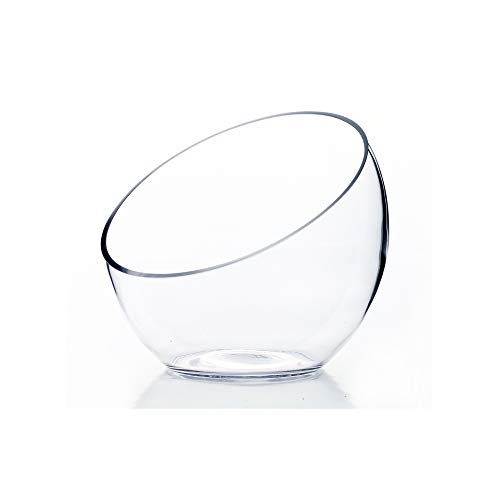
If you want a low-maintenance display with moss or ferns, choose a closed glass terrarium with a lid or cork stopper; if you want succulents, cacti, or air plants, choose an open-top geometric or bowl-style terrarium that allows airflow. The deciding question is not style but humidity: closed vessels hold moisture and suit humidity-loving plants, while open vessels stay drier.
Our top picks



As an Amazon Associate we earn from qualifying purchases at no extra cost to you.
At a Glance: Glass Terrarium Types and Examples
| Type or model | Best for | Key stated points | Limits |
|---|---|---|---|
| PYEF CRAFTS closed ecosystem kit | Beginners wanting a self-contained jar | Roundups describe a glass jar of about 34 fl oz with a cork lid | Small; only suits tiny plants |
| NCYP front-opening house terrarium | Display with easy access | Described as a sealed, front-opening house shape | Larger footprint; fit depends on plants |
| YIMORENCE large glass house planter | Humid-leaning plants in a larger case | Reviewers say it works best partly closed | Needs more space |
| Mkono geometric set of three | Succulents and air plants on a shelf | Open-top geometric glass in a multi-pack | Seams are visible; not for moisture recycling |
| NCYP open geometric bowl | Modern centerpiece | Open-top bowl design | Dry environment only |
| MyGift Hotel Series | Succulent displays | Named in a succulent-focused roundup | Style-driven |
| Wardian-case style | Larger collections | Glass case with a hinged top | Premium tier; heavy |
Closed vs. Open Terrariums
Closed terrariums
A closed terrarium holds moisture inside. Water evaporates from the soil and plants, condenses on the glass, and drips back down, so the vessel needs little watering. This suits moss, ferns, fittonia, and other plants that prefer a damp, sheltered environment. Because closed vessels stay humid, they can develop mold if overwatered or kept in poor light, and they should not sit in direct sun, since sunlight through glass can overheat the interior and damage plants.
Open terrariums
Open terrariums have no lid or a wide opening, so air moves freely. They suit succulents, cacti, and air plants, which dislike constant humidity. You water sparingly, and the soil dries more quickly. These containers are easier to access for pruning and rearranging, but they need more regular attention than a sealed system.
Partly closed and front-opening cases
Some cases have a hinged lid or a front door so you can adjust ventilation. They give flexibility for plants that like moderate humidity, and they let you open them to refresh the air when condensation builds up.
Picks by Buyer Type
Best for beginners: a small closed jar kit
A compact closed jar with a cork lid, such as the PYEF CRAFTS closed ecosystem kit described by Mayfair Farms, is an easy introduction to the idea. A kit usually includes the jar and sometimes a small set of supplies. Contents vary, so read the listing to see what is included. Keep expectations modest: a jar of this size supports only a few small plants.
Best for display: a front-opening glass house
ACFC picks the NCYP front-opening house terrarium for build quality and sealed design, and the same roundup lists the H Potter Glass Wardian Case for larger projects. A front-opening house gives you access without lifting a lid, which is convenient for adjusting plants. Larger cases leave room for layered landscapes with moss, stones, and small ferns.
Best larger planter: YIMORENCE large glass house
A September 2026 roundup names the YIMORENCE large glass house its best overall and says it works best as a partially closed terrarium for plants that like humidity. A larger volume buffers changes in moisture better than a small jar.
Best for succulents and air plants: open geometric sets
The Mkono three-pack geometric terrarium is labeled the best value pack in one roundup, and the NCYP open geometric bowl is listed as a modern centerpiece. Home Garden Glow, in a succulent-focused list, picks the MyGift Hotel Series as its best overall. These open vessels have visible seams and open tops, which suit display more than moisture recycling.
For reptile owners
If you are searching for a reptile habitat rather than a plant display, that is a different product category. One review site names the Exo Terra glass natural terrarium kit for its ventilated, front-opening design. Reptile enclosures need heating, lighting, and species-specific guidance, so consult a vet or the species care sheet before buying.
What to Look For
- Glass thickness and clarity: Thicker glass resists breakage and shows less distortion. Check the maker’s description of the glass.
- Seams and sealing: Geometric terrariums are often assembled from metal frames and glass panels. Look at how the panels are held and whether edges are finished.
- Lid or door type: A cork stopper, a lift-off lid, or a hinged front door each give different levels of ventilation and access.
- Size and weight: Large glass cases are heavy when filled with soil. Make sure the shelf or table can support them.
- Drainage: Terrariums usually have no drainage hole, so a layer of gravel and activated charcoal under the soil helps manage excess water, as many guides suggest.
- Plant fit: Pick plants that suit the humidity level and fit the interior height at maturity.
Setup and Care Notes
Most terrarium builds follow the same layers: a drainage layer, a thin layer of activated charcoal, a barrier such as mesh or moss, and a soil mix suited to the plants. For closed terrariums, use a peat- or coir-based mix; for succulents, use a gritty cactus mix. Water lightly, because there is no drainage, and let condensation guide you. If the glass stays fogged all day, open the lid for a while. If the glass stays dry and plants wilt, add a small amount of water.
Place terrariums in bright, indirect light. Direct sunlight magnifies through glass and can scorch plants. Clean glass with a damp cloth, and wear gloves when handling sharp-edged cases. Keep any plant that may be toxic if swallowed out of reach of children and pets, and check each species before you buy.
Budget Tiers
| Tier | Typical products | Trade-off |
|---|---|---|
| Budget | Small jars and multi-pack geometric terrariums | Thin glass; limited size |
| Mid-range | Front-opening house terrariums and larger planters | More assembly; more space needed |
| Premium | Wardian-case style glass cases | Heavy; higher cost |
Pick X If… Decision Table
| Pick this | If you… |
|---|---|
| Closed jar with cork lid | want a low-maintenance mini ecosystem |
| Front-opening glass house | want a display with easy access |
| Large partly closed planter | grow humidity-loving plants in a bigger space |
| Open geometric set | grow succulents or air plants |
| Wardian-style case | want a statement piece and have space |
Alternatives
- Terrarium kits: Beginner kits that include soil, stones, and plants can reduce shopping steps.
- Vintage jars and bowls: A cookie jar or fishbowl can become a terrarium at no special cost.
- Hanging glass globes: Suited to air plants and small displays.
Choosing the Right Size
Size affects how stable the environment is. A very small jar can swing quickly between too wet and too dry, while a larger case holds a steadier balance and gives roots room to grow. As a rough guide, think about the mature size of the plants rather than the size they are when you buy them. Fittonia and small ferns spread over time, and succulents stretch toward light if the glass is too deep or the spot is too dim. If you are designing a layered landscape with stones, bark, and moss, a wider opening makes it easier to place each element with tweezers or long tongs. Many hobbyists keep a spray bottle, a small trowel, and a pair of long tweezers close by, since the tools make it easier to reach into narrow necks. Whatever you choose, confirm the interior dimensions listed by the maker, because outside measurements include the glass walls and any metal frame.
Common Mistakes to Avoid
The most frequent problem is overwatering, which leads to mold and root rot in a closed vessel. Another is mixing plants with opposite needs, such as placing a succulent beside moss. A third is placing the terrarium on a sunny windowsill, where heat builds up quickly behind glass. Keep new builds out of strong light for the first week, then move them to a bright spot with indirect light. Trim any leaf that touches the glass, as it can rot against the wet surface.
Frequently Asked Questions
Can I put a terrarium in direct sunlight?
It is generally better not to. Sunlight passing through glass can heat the interior and scorch plants, especially in a closed vessel. Bright, indirect light is the safer choice.
How often should I water a closed terrarium?
Very rarely. Closed terrariums recycle moisture, so you add water only when the soil looks dry and there is no condensation. Overwatering is the most common cause of mold.
Which plants suit an open terrarium?
Succulents, cacti, haworthia, and air plants are popular choices because they prefer drier air. Follow the plant label for light and watering needs.
Do terrariums need drainage holes?
Most glass terrariums do not have them. Guides often suggest a layer of gravel and activated charcoal to manage excess water, along with careful watering.
How long can a closed terrarium last?
A well-balanced one can reportedly last many years with little care, though outcomes depend on plants, light, and how it was built. Prune and remove dead leaves when needed.
Are terrariums safe around pets and children?
Glass can break and some plants are harmful if eaten. Place terrariums out of reach and research each plant species before you buy.
More from Amazon
Programs that pair well with the guide above. Offers and eligibility are set by Amazon and may change.
Set up recurring deliveries of everyday items on eligible products. Terms and savings are set by Amazon.
Explore Subscribe & SaveCollect the home and kitchen items you want in one registry that guests can shop from.
Create a wedding registryFree shipping on eligible items, Prime Video and more. Eligible new members can start with a free trial.
Start a Prime free trialAudiobooks and podcasts to listen to on the go. Eligible new members can start with a free trial.
Try Audible freeAs an Amazon Associate we earn from qualifying purchases.