Key takeaways
- Budget: Gel packs, reusable ice packs and basic wraps. They are inexpensive but need swapping and warm up.
- Mid-range: Cold-only circulating machines such as the Polar Care Cube and Kodiak.
- Upper-mid: Combined cold and compression units like the Polar Care Wave.
- Premium: Game Ready systems, often bought through clinics or rented.
For most people recovering at home who want a simple cold-only unit, the Breg Polar Care Cube is the value pick reviewers keep naming; for people who need to move around, the battery-capable Polar Care Kodiak is the portable option; for those who want cold plus active compression at a mid-range tier, the Polar Care Wave is the model retailers highlight; and for athletes and clinics that want a premium combined system, the Game Ready GRPro 2.1 is the benchmark. An ice therapy machine circulates chilled water through a wrap or pad and back to a cooler, so the pad stays cold for hours without the repeated ice-pack swaps that bags and gel packs require.
This guide is general buying information, not medical advice. Whether you should use cold therapy, how cold, and for how long depends on your condition, so follow the instructions from your surgeon, doctor or physical therapist and the maker’s manual. Most sources reviewed here are retailers or clinic suppliers, which may favour the products they sell, so treat their claims as maker or seller statements.
Our top picks


As an Amazon Associate we earn from qualifying purchases at no extra cost to you.
At a Glance: Ice Therapy Machines Compared
| Model | Type | Best for | Reported features | Limits |
|---|---|---|---|---|
| Breg Polar Care Cube | Cold only, electric pump | Home recovery on a budget to mid tier | Reported run time of roughly 6 to 8 hours per fill; several pad options | Needs a power outlet; no compression |
| Breg Polar Care Kodiak | Cold only, battery-capable | Moving between rooms, travel, hips and larger joints | Battery pack of four AA cells reported to run about 10 to 14 hours | Battery pack sold separately in some bundles; some reviewers say pads feel basic |
| Breg Polar Care Wave | Cold plus active compression | Users who want compression at a lower tier than premium systems | Retailers describe it as the one Breg unit combining cold and active compression | More parts; follow clinician guidance on compression |
| Game Ready GRPro 2.1 | Cold plus compression, premium system | Athletes, clinics and users prescribed it | Retailers call it a top-performing combined unit | Premium tier, often rented or supplied via clinics |
How Ice Therapy Machines Work
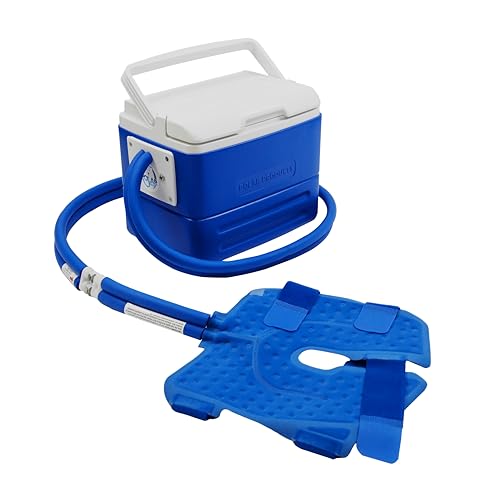
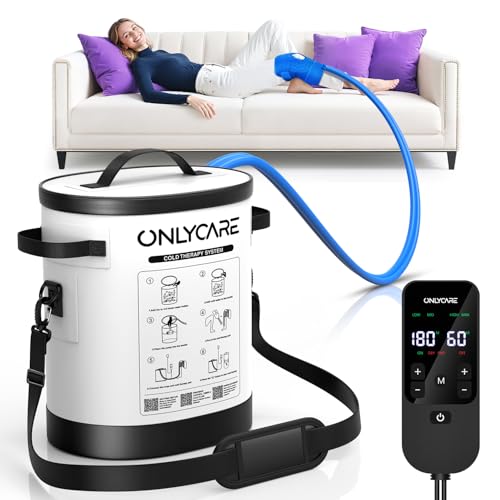
A typical unit has an insulated cooler for ice and water, a small pump, tubing and a wrap or pad that fits a body area such as a knee, shoulder, ankle, back or hip. Water chilled by the ice is pushed through the pad, then returns to the cooler. Some systems add timed or cycling compression through an air bladder. Makers state that circulating cold keeps a more consistent temperature than a sealed pack that warms as it sits.
Because skin and nerves can be damaged by prolonged or very cold contact, most makers and clinicians advise using a barrier between the pad and skin, limiting session lengths and stopping if numbness, unusual pain, colour changes or blistering occur. Ask your clinician for settings, especially after surgery or if you have circulation problems, diabetes, nerve conditions or reduced sensation.
Cold Only or Cold With Compression?
Cold only
Cold-only units such as the Cube and Kodiak are simpler and cost less. They suit users who mainly want temperature control for a recovering joint, and who have separate guidance on compression from a clinician. They are easier to operate and have fewer parts to clean.
Cold plus active compression
The Wave and Game Ready systems add compression, which retailers say can help manage swelling in some situations. Compression is not suitable for everyone, including people with certain circulation or clotting concerns, so use it only with clinician approval and the maker’s instructions.
Model Notes
Breg Polar Care Cube: straightforward and widely used
The Cube is a cold-only electric unit described by retailers as reliable and good value. They list a run time of around six to eight hours per fill, a high flow rate and six pad shapes for different body areas. It needs an outlet, so it works best when you can sit or lie within reach of a socket. It is a common first choice after procedures where a clinician has recommended cold therapy.
Breg Polar Care Kodiak: portable and battery-capable
The Kodiak is the portable sibling, with a battery pack that takes four AA batteries and runs, according to retailers, about ten to fourteen hours of motorised cold therapy. One Canadian supplier recommends it over the Cube for hip use because the pad covers the area better. A reviewer on a retailer page mentions that the flow pads feel low quality, so inspect pads on arrival and follow the care instructions to avoid leaks.
Breg Polar Care Wave: compression at a mid tier
Retailers present the Wave as the Breg unit that adds active compression to cold therapy, at a fraction of a premium system’s cost. It is for users who want both functions and have clinician approval. Because it adds pressure control, read the manual closely and ask your provider about settings.
Game Ready GRPro 2.1: premium combined system
Game Ready is the premium reference for combined cold and compression, favoured by athletic trainers and clinics. Retailers call its performance top of the category. The trade-off is cost and, often, access: some users rent through a clinic rather than buy. If you are prescribed one, follow the clinic’s usage plan.
Budget Tiers
- Budget: Gel packs, reusable ice packs and basic wraps. They are inexpensive but need swapping and warm up.
- Mid-range: Cold-only circulating machines such as the Polar Care Cube and Kodiak.
- Upper-mid: Combined cold and compression units like the Polar Care Wave.
- Premium: Game Ready systems, often bought through clinics or rented.
Fit, Size and Care Notes
- Pad fit: Choose a pad designed for your body area (knee, shoulder, back, ankle, hip). Check whether the pad is sold with the unit or separately.
- Cooler capacity: A larger cooler means longer sessions between ice refills.
- Power and portability: If you move between bed and sofa, a long cable or a battery-capable model helps.
- Noise: Small pumps hum. If you want to sleep with it, read reviews on noise and ask your clinician whether overnight use is appropriate.
- Cleaning: Drain after use, let parts dry and follow the maker’s instructions for disinfecting. Never use harsh solvents on pads or tubing unless the manual allows.
- Safety: Keep electrical parts away from water, do not use a damaged cord, and place the cooler on a stable surface. Do not apply cold directly to bare skin without the barrier the maker specifies.
When to Get Professional Advice
Contact your doctor, surgeon or physical therapist before using cold therapy after surgery or injury, and especially if you have diabetes, poor circulation, nerve problems, Raynaud’s disease or reduced sensation. Seek medical attention if you notice increasing pain, swelling, redness, skin discolouration or numbness that does not go away.
Pick X If… Decision Table
| Pick this | If you… |
|---|---|
| Polar Care Cube | want a simple, cold-only unit at home |
| Polar Care Kodiak | need portability or battery operation, or want a hip pad |
| Polar Care Wave | have clinician approval for compression and want both functions |
| Game Ready GRPro 2.1 | are an athlete or clinic user who wants premium combined therapy |
| Gel or ice packs | have occasional, minor needs and no prescription for a machine |
Alternatives to Consider
- Reusable gel wraps: Flexible, cheap and easy, though they warm quickly.
- Ice bags with elastic wraps: A traditional approach; use a cloth barrier and follow your clinician’s timing.
- Contrast or heat therapy: Some conditions respond better to warmth. Your clinician can advise which is right.
Buying Checklist
Start with the clinician’s advice, then match the unit to the situation. Confirm the pad type for the body area, whether the unit runs on mains power or batteries, and how long a fill of ice lasts according to the maker. Think about where you will sit or lie while using it, how long the tubing needs to be, and whether the cooler is easy to refill without help if mobility is limited. Check what is included in the box, because pads, straps, adapters and batteries are sometimes sold separately. Finally, look at the maker’s warranty and replacement-pad availability, since pads are the part most likely to wear out with repeated use.
If you are buying for an older relative, choose the simplest controls and a stable, easy-to-lift cooler. Keep the manual somewhere handy and write down the clinician’s session timing so everyone in the household follows the same plan.
Frequently Asked Questions
Is an ice therapy machine better than ice packs?
Machines keep a steadier temperature for hours without constant refilling, which many users find convenient after surgery. Simple ice packs can be enough for minor strains. Your clinician can advise which suits your situation.
How long can I use an ice therapy machine at a time?
Follow your clinician’s instructions and the maker’s manual. Many guidelines suggest sessions of limited length with breaks, and always with a barrier between pad and skin. Do not fall asleep with a pad on unless your provider approves.
Can I use a cold therapy machine on any joint?
Makers sell pads for knees, shoulders, ankles, hips, backs and other areas. Choose a pad meant for your body area and check that it is compatible with your model.
Do I need compression as well as cold?
Not necessarily. Compression may help in some cases, but it is not suitable for everyone. Only use compression features with advice from your doctor or therapist.
How do I clean and store the unit?
Drain the cooler and tubing after use, air-dry thoroughly and store as the manual directs. Some makers specify a cleaning solution ratio, so follow that rather than guessing.
Are these machines covered by insurance?
Coverage varies by plan and provider. Ask your insurer or clinic before purchase, as some programs rent or supply units after certain procedures.
More from Amazon
Programs that pair well with the guide above. Offers and eligibility are set by Amazon and may change.
Set up recurring deliveries of everyday items on eligible products. Terms and savings are set by Amazon.
Explore Subscribe & SaveCollect the home and kitchen items you want in one registry that guests can shop from.
Create a wedding registryFree shipping on eligible items, Prime Video and more. Eligible new members can start with a free trial.
Start a Prime free trialAudiobooks and podcasts to listen to on the go. Eligible new members can start with a free trial.
Try Audible freeAs an Amazon Associate we earn from qualifying purchases.